
Chat with us on WhatsApp

What You Should Know About Your Thyroid and Menopause

Thyroid and menopause graphic Thyroid and menopause graphic
Book Appointment
in Obstetrics & Gynaecology

Apr 19, 2022

Symptoms of thyroid disease can be similar to postmenopausal symptoms. It’s not unusual for them to be incorrectly attributed to the menopause or even put down to depression.  To investigate the diagnosis, a blood test for thyroid function should be performed. Hypothyroidism and Hyperthyroidism are ailments that need the combined medical expertise of an endocrinologist and a gynecologist. It is imperative that the diagnosis is made early so that timely interventions can be planned. Women who are undergoing menopause are the category at most risk.

?????????????


Beware of your symptoms and consult a specialist:

As patients, you should be aware of the signs and symptoms of hypothyroidism and let your doctor know if you have concerns about your thyroid function. If you are a woman experiencing symptoms of menopause, do not hesitate to discuss them with your doctor. If you feel that the symptoms are persisting despite appropriate therapy, it may be worthwhile to have your thyroid-stimulating hormone (TSH) levels checked. A blood sample is all that is needed to make the initial diagnosis of hypothyroidism, and treatment is easily achieved with thyroid replacement therapy.

Why do we feel different during menopause?

In menopause, our bodies naturally produce fewer reproductive hormones because we have less need for them during the second half of our lives. This is normal, and the transition for many women is a smooth one.

Women – Thyroid and Menopause

For many women, especially those who have experienced unrelenting stress in the years leading up to menopause, this change of life can bring with it uncomfortable symptoms like low energy, depression, fuzzy thinking, worsening memory, lower sex drive, hair loss, and easier weight gain. If you’ve had low thyroid function, you’re probably already all-too-familiar with these same symptoms! Indeed, many symptoms of hypothyroidism overlap with menopausal symptoms, making them difficult to tease apart. Further low thyroid function can also exacerbate menopause symptoms.

It’s also a good idea to get your thyroid checked. We recommend testing for:

  • TSH levels
  • Thyroid hormone levels (T3,T4).
  • Thyroid antibodies.

Book Appointment

Recent Blogs

Missing or delayed periods can feel stressful—especially when you’re unsure why it’s happening or how to fix it. If you’ve been searching for “how to get periods immediately” or “what to do if periods are late,” you’re not alone. Many women experience occasional delays due to lifestyle, hormonal changes, or underlying health conditions.
Continue Reading
A delayed period can instantly trigger worry. Your mind may jump to pregnancy, hormonal problems, or something serious—even when the delay is just a few days. The truth is, menstrual delay is very common and often linked to everyday factors like stress, lifestyle changes, or minor hormonal shifts.
Continue Reading
Many women today hear the terms PCOD and PCOS and instantly feel confused. They sound similar, have overlapping symptoms, and both relate to the ovaries — but they are not the same. If you’ve ever wondered, “What is the difference between PCOD and PCOS?” — this guide breaks it down clearly and simply.
Continue Reading
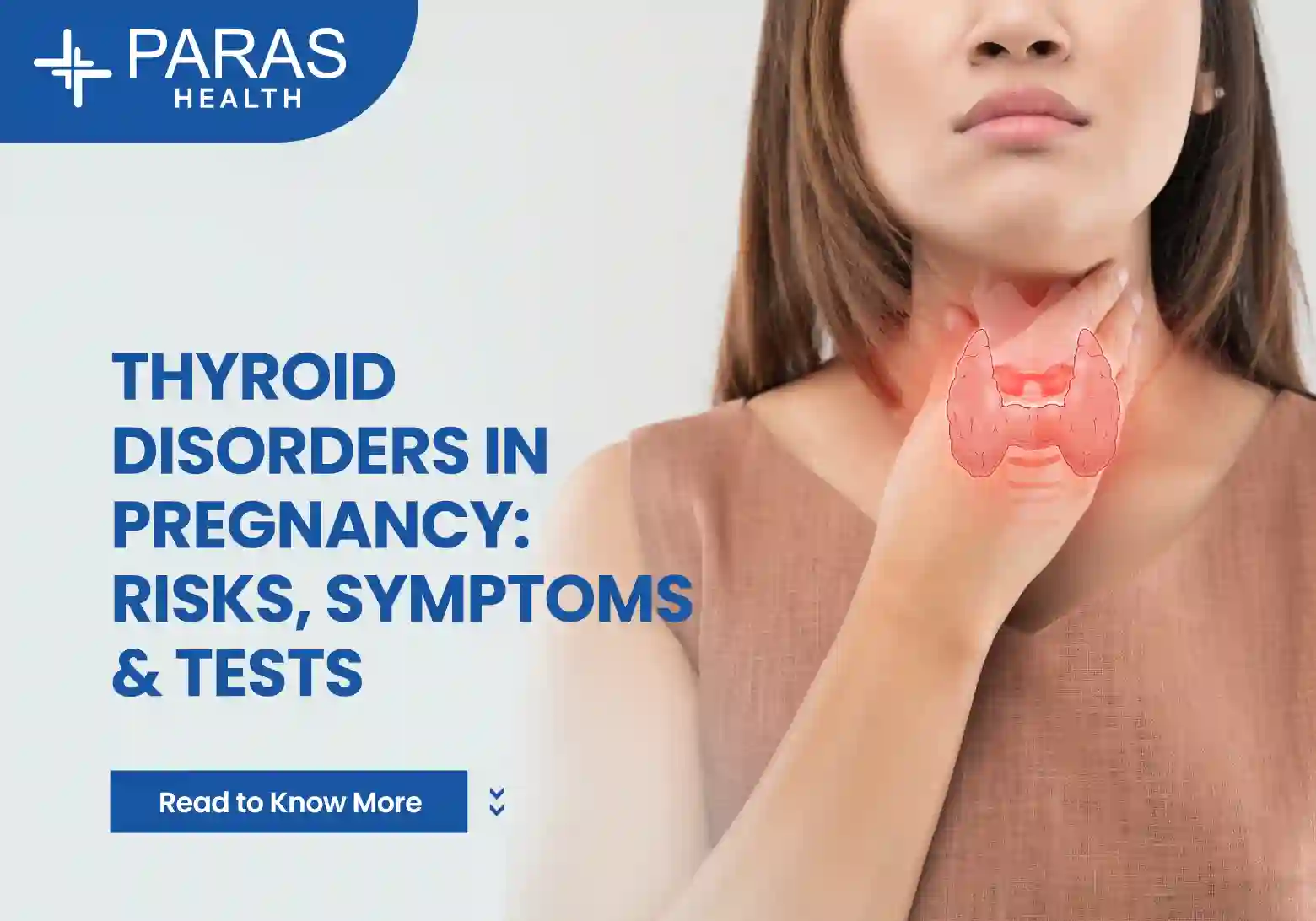
Pregnancy is a time of joy, hope, and change — not just emotionally, but also hormonally. One of the most crucial glands that influences both the mother’s and baby’s health is the thyroid gland.
Continue Reading
Pregnancy is often described as a journey of transformation. A woman’s body goes through numerous changes during these nine months to nurture and protect the growing baby. Among the many changes, fluctuations in blood pressure are very common.
Continue Reading
Becoming pregnant is one of the most important moments in a woman’s life. But before you even take a test, your body may start giving small hints. These early signs of pregnancy can appear in the very first few weeks, sometimes even before you miss a period. Knowing these changes helps you prepare, reduce anxiety, and seek medical advice at the right time.
Continue Reading
Incomplete abortion happens when some pregnancy tissue remains in the uterus after abortion or miscarriage. It can cause heavy bleeding, pain, or infection. With timely diagnosis and safe medical care, recovery is possible without long-term complications.
Continue Reading
Request A Call Back
Didn't Find What You Were Looking For

Get a call back from our Health Advisor