
What are Menstrual Disorders?


Menstruation or commonly called “Period” is the monthly shedding of the inner lining of the uterus (endometrium) in the form of blood that escapes out through the vagina. It occurs during the reproductive years of a women’s life-between puberty and menopause.
The average menstrual cycle is about 28 days, but anywhere from 21 days to 35 days is considered normal. The duration of periods is mostly around 3-5 days but can vary from 2-7 days and the normal blood loss is 80 ml. The onset of menstruation called the “menarche” occurs at around 12-13 years and the cessation of menstruation called “menopause” occurs between 48-51 yrs.
The menstrual cycle is regulated by the complex surge and fluctuation in different reproductive hormones secreted by the hypothalamus, pituitary gland and the ovaries. The later produces the two important sex harmones estrogen and progesterone.
Menstrual disorder is either due to disturbance in hypothalamic pituitary-ovarian arises which is called dysfunctional uterine bleedy (DUB), or it can be due to any pathology in the uterus or cervix.
Common menstrual disorders are: –
- Menorhagia: It is the menses that lasts longer than 7 days and blood loss exceeds 80 ml. However, the cycle occurs at regular intervals. Common causes are Uterine fibroids, polyps, endometriosis, adenomyosis, hormonal imbalance and there is no pelvic pathology. Medical Conditions such as clotting disorder, hyperthyroidism, liver or kidney disorders, on medications like anticoagulant, IUCD can also cause bleeding issues.
- Metrorrhagia: It is called intermenstrual bleeding i.e., any bleeding episode which irregular in pattern and amount. Women on oral contraceptive pills can also break through bleeding.
- Polymenorhaca :-It is also called frequent periods i.e. coming every 21 days or less. The causes overlap as those of menorrhagia.
- Premenstrual Syndrome: – It is a condition that has a wide variety of symptoms including mood swings, tender breast, fatigue, irritability and depression that occurs few days before menses and disappears as the periods start.
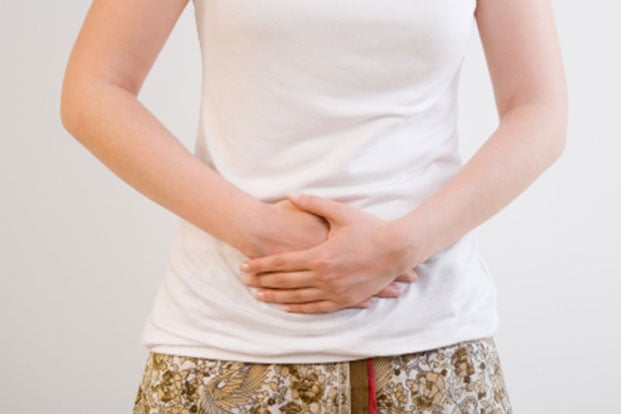
- Dysmenorhoa: It is serve, painful cramps during menses that occur in the lower abdomen and spreads to the lower back and thighs. It can be caused from contraction of uterus in the process of shedding its lining and does not indicate any pathology. It is relieved by analgesics. Painful menstruation could be experienced due to some pelvic pathology like endometriosis, pelvic inflammatory disease etc. There could be absence or cessation of menses. It may be physiological as before the menarche, after the menopause or in pregnancy, or if the patient had hysterectomy.
In all cases, it is important that a woman consults a specialist if she is facing any abnormal bleeding issues. Every woman needs to understand the concept of early detection and timely treatment.




.webp)