
Chat with us on WhatsApp

What is the procedure for Pap Smear?

What is the procedure for Pap Smear? What is the procedure for Pap Smear?
Book Appointment
in Obstetrics & Gynaecology

Apr 19, 2022

A Pap smear (Papanicolaou smear – also known as the Pap test) is a screening test for cervical cancer. The test itself involves the collection of a sample of cells from a woman’s cervix (the end of the uterus that extends into the vagina) during a routine pelvic exam. A Pap smear is a safe way to screen for cervical cancer. However, a Pap smear isn’t foolproof. It’s possible to receive false-negative results — meaning that the test indicates no abnormality, even though you do have abnormal cells.
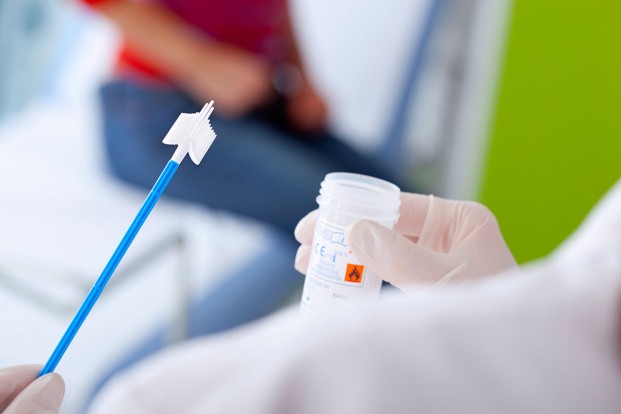
Pap Smear procedure

CT5NJ8

What is a Pap smear needed for?

A Pap smear is used to screen for cervical cancer. The Pap smear is usually done in conjunction with a pelvic exam. In women older than age 30, the Pap test may be combined with a test for human papillomavirus (HPV) — a common sexually transmitted infection that can cause cervical cancer in some women, doctors recommend beginning Pap testing at age 21.

When should women get a Pap Smear Test done?

Women age 30 and older can consider Pap testing every 5 years if the procedure is combined with testing for HPV.

What do the test results of a Pap Smear test indicate?

A false-negative result doesn’t mean that a mistake was made. Factors that can cause a false-negative result include:

  • An inadequate collection of cells
  • A small number of abnormal cells
  • Blood or inflammatory cells obscuring the abnormal cells

Normal means that there were no changes evident on the cell sample, in which case the woman should simply return for a Pap smear test in two years to test for further changes.

It is quite common for results to come back without a clear conclusion, which may be described as equivocal, inconclusive or ASC-US. This means that there are some changes, which could be due to HPV but may also be a result of life circumstances such as pregnancy, menopause or an infection in the area. If results are unclear, further tests to determine the HPV status may be required.

What does abnormal mean in a Pap Smear Test result?

An abnormal result indicates that there were some changes evident in the cell sample. These changes are likely to be caused by HPV of varying severity.

Abnormal does not mean that the individual has cancer but, rather, intervention is usually needed to prevent cancer from occurring in the area.


Book Appointment

Recent Blogs

Missing or delayed periods can feel stressful—especially when you’re unsure why it’s happening or how to fix it. If you’ve been searching for “how to get periods immediately” or “what to do if periods are late,” you’re not alone. Many women experience occasional delays due to lifestyle, hormonal changes, or underlying health conditions.
Continue Reading
A delayed period can instantly trigger worry. Your mind may jump to pregnancy, hormonal problems, or something serious—even when the delay is just a few days. The truth is, menstrual delay is very common and often linked to everyday factors like stress, lifestyle changes, or minor hormonal shifts.
Continue Reading
Many women today hear the terms PCOD and PCOS and instantly feel confused. They sound similar, have overlapping symptoms, and both relate to the ovaries — but they are not the same. If you’ve ever wondered, “What is the difference between PCOD and PCOS?” — this guide breaks it down clearly and simply.
Continue Reading
Pregnancy is a time of joy, hope, and change — not just emotionally, but also hormonally. One of the most crucial glands that influences both the mother’s and baby’s health is the thyroid gland.
Continue Reading
Pregnancy is often described as a journey of transformation. A woman’s body goes through numerous changes during these nine months to nurture and protect the growing baby. Among the many changes, fluctuations in blood pressure are very common.
Continue Reading
Becoming pregnant is one of the most important moments in a woman’s life. But before you even take a test, your body may start giving small hints. These early signs of pregnancy can appear in the very first few weeks, sometimes even before you miss a period. Knowing these changes helps you prepare, reduce anxiety, and seek medical advice at the right time.
Continue Reading
Incomplete abortion happens when some pregnancy tissue remains in the uterus after abortion or miscarriage. It can cause heavy bleeding, pain, or infection. With timely diagnosis and safe medical care, recovery is possible without long-term complications.
Continue Reading
Request A Call Back
Didn't Find What You Were Looking For

Get a call back from our Health Advisor