
How can I protect myself against COVID when I’m pregnant?


If you are pregnant right now, you’re probably concerned about pregnancy during COVID 19. Thoughts like how to protect from COVID during pregnancy and how to protect your baby’s health must be on the top of your mind. While we don’t know exactly how COVID affects the baby in the womb, we do know that for pregnant women, the symptoms can be more severe. Below are the precautions you should take to ensure that you have a safe pregnancy:
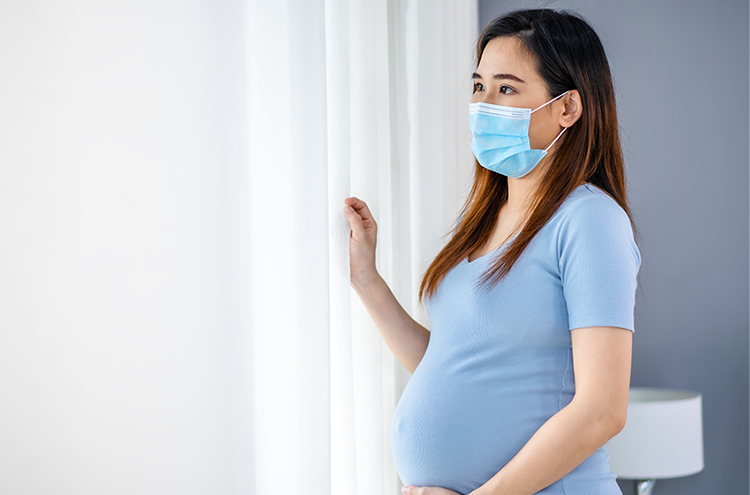
you’re probably concerned about pregnancy during COVID 19. Thoughts like how to protect from COVID during pregnancy and how to protect your baby’s health must be on the top of your mind.
- Avoid going out unless it’s absolutely necessary
Pregnant women are not at an increased risk for contracting COVID-19, but they are much more likely to have severe symptoms once they get the virus. Contracting COVID-19 can also cause an increased risk of pre-term birth and other pregnancy complications. This is why, unless it is absolutely necessary, pregnant women should avoid going out of the house as COVID-19 cases in the country rise. COVID-19 can be much more severe for pregnant women, leading to ill health for both the woman as well as the baby.
- Wash your hands and sanitise frequently
This is an important rule for all, but one that many often forget. You must wash your hands or sanitise them after you touch anything that is in a public space, be it a door handle, lift button, drinking cup, or anything else. It’s easy to forget to do so, which is why it is best to have a sanitiser with you at all times. If you go for a check-up, sanitise your hand after you touch anything in the clinic. If you’re pregnant, it’s better to let other people open doors and press buttons.
- Strengthen your immune system
Ensure you are eating a balanced diet with enough nutrition. Have enough carbohydrates and proteins, as well as vitamins and minerals. Have lots of leafy greens, legumes, and fruits. Ask your doctor if you can take supplements of any kind to boost your immune system. Supplements such as vitamin C, D, E, and zinc can help make your immune system stronger.
- Be regular to your Doctor appointments
Your doctor will know the most recent and important information on covid and pregnancy, so keep communicating with your doctor. If you are pregnant and have COVID, your doctor will be able to tell you how to go about getting treatment in a way that is safe for both you and your baby. Avoid self-medicating. Instead, stick to virtual appointments with your doctors, and then if need be, see them in person, to find out the best way to deal with COVID symptoms.
- Stay relaxed and stay mentally well
These are difficult things to do right now, but they are important, as your stress and moods can not only impact your well-being and but also your baby’s health. Try not to obsessively read the news or scroll through social media. Engage yourself in other activities such as reading a book, learning something new, or watching a comedy show on television.
For more information on pregnancy during COVID 19 and how to protect from covid during pregnancy, check out our other blogs and website.

.webp)