
Malaria in Pregnancy- An Underestimated Challenge


Malaria and pregnancy are mutually aggravating conditions hence challenging to the mother, baby and the physician. Malaria infection in pregnant women is associated with high risks for both maternal and perinatal morbidity and mortality. Pregnancy is complicated by anaemia, hypoglycaemia, cerebral malaria, pulmonary edema and puerperal sepsis. The problems in the new born include low birth weight, prematurity, IUGR and increased mortality.
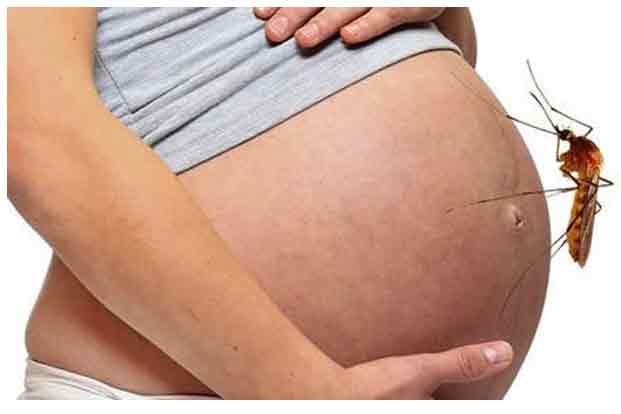
Malaria in Pregnancy: How is it different compared to general population
While the mechanism is poorly understood, pregnant women have a reduced immune response and therefore more likely to be infected and less effectively clear malaria infections. Also clinical manifestations are atypical like fever, splenomegaly, anaemia, acute pulmonary edema etc. Management of complications of malaria may be difficult due to the various physiological changes of pregnancy. Also decisions regarding induction of labour may be difficult and complex. Foetal loss, IUGR, and premature labour are common.
Management of Malaria in Pregnancy:
It involves the following three aspects:
Treatment of Malaria: treatment depends upon severity of disease and gestational age.
- Drugs safe in pregnancy:
All Trimesters: first line–Chloroquine; Quinine;Second line_ Artesunate / Artemether /Arteether
2nd &3rd trimester: Pyrimethamine +sulfadoxine, mefloquine
- Drugs contra indicated: Primaquine; Tetracycline; Doxycycline; Halofantrine
Management of Complications:
- Acute Pulmonary Oedema: Careful fluid management; back rest; oxygen; diuretics; ventilation if needed.
- Hypoglycaemia: 25-50% Dextrose, 50-100 ml I.V., followed by 10% dextrose continuous infusion. If fluid overload is a problem, then Inj. Glucagon 0.5-1 mg can be given intra muscularly. Blood sugar should be monitored every 4-6 hours for recurrent hypoglycemia.
- Anemia: Packed cells should be transfused if hemoglobin is <5 g%.
- Renal failure: Could be pre-renal due to unrecognized dehydration or renal due to severe parasitemia. Treatment involves careful fluid management, diuretics, and dialysis if needed.
- Septicaemic shock (ALGID MALARIA) : Secondary bacterial infections like urinary tract infection, pneumonia etc. are more common in pregnancy associated with malaria. . Treatment involves administration of 3rd generation cephalosporins, fluid replacement, monitoring of vital parameters and intake and output.
Exchange transfusion: Exchange transfusion is indicated in cases of severe falciparum malaria to reduce the parasite load. It is especially useful in cases of very high parasitemia (helps in clearing) and impending pulmonary oedema (helps to reduce fluid load).
Management of Labour:If the situation demands, induction of labour may have to be considered. Once the patient is in labour, foetal or maternal distress may indicate the need to shorten the 2ndstage by forceps or vacuum extraction. If needed, even caesarean section must be considered.
Prevention of Malaria During Pregnancy:
WHO Recommends:
- Use of long-lasting insecticidal nets (LLINs)
- In all areas with moderate to high malaria transmission intermittent preventive treatment in pregnancy (IPTp) with sulfadoxine-pyrimethamine (SP), as part of antenatal care services.
However in India LLIN is not available widely through public health system and SP-IPT is not appropriate because epidemiology is different in India. Also there is resistance to SP in north eastern states of India.
Save



.webp)