
Chat with us on WhatsApp

Is vastectomy a safe and reversible procedure for contraception in men?

Vasectomy surgical procedure Vasectomy surgical procedure
Book Appointment
in Obstetrics & Gynaecology

Apr 19, 2022

A promising new birth control method for men that’s more easily reversible than vasectomy has been developed in India. Called RISUG (Reversible Inhibition of Sperm under Guidance or Vasalgel in the U.S) the method is claimed to be 100 percent effective in trials, doesn’t contain controversial hormone therapy and it lasts a minimum of 10 years. Vasectomy is a permanent male contraception or sterilization.

What is Reversible Inhibition of Sperm under Guidance or RISUG?

The procedure involves injecting a non-toxic polymer above the scrotum, rather than making an incision as is done in vasectomies. The polymer then acts as a security system, coating the inside walls of the vas deferens which chemically incapacitates the sperms as they go past, making them unable to fertilize an egg. The results are similar to a traditional vasectomy but with added advantages of it being simple, pain-free and easily reversible. When a man is sterilized, the operation is called a vasectomy.  When you ejaculate (cum) the fluid or semen from your penis contains sperm.

What are the effects of getting a Vasectomy or Reversible Inhibition of Sperm under Guidance (RIGUG) ?

Sperm are made in your testicles (balls) and travel up your vas deferens (tubes) to mix with your semen. These are the tubes that are cut and tied when you have a vasectomy.

Infection is uncommon and is not usually serious. Internal bleeding may cause swelling and pain.

A painful lump may form in the scrotum where the operation was done. The pain usually disappears in a few weeks.

Are birth control methods in men safe?

A permanent form of birth control, vasectomy has been used for decades for male sterilization. The outpatient procedure is highly effective and has few side effects. Vasectomy is exceedingly safe. Vasectomy should be considered a permanent method of male sterilization and should not be performed if there is a chance that the patient might desire to father children in the future.


 

Book Appointment

Recent Blogs

Missing or delayed periods can feel stressful—especially when you’re unsure why it’s happening or how to fix it. If you’ve been searching for “how to get periods immediately” or “what to do if periods are late,” you’re not alone. Many women experience occasional delays due to lifestyle, hormonal changes, or underlying health conditions.
Continue Reading
A delayed period can instantly trigger worry. Your mind may jump to pregnancy, hormonal problems, or something serious—even when the delay is just a few days. The truth is, menstrual delay is very common and often linked to everyday factors like stress, lifestyle changes, or minor hormonal shifts.
Continue Reading
Many women today hear the terms PCOD and PCOS and instantly feel confused. They sound similar, have overlapping symptoms, and both relate to the ovaries — but they are not the same. If you’ve ever wondered, “What is the difference between PCOD and PCOS?” — this guide breaks it down clearly and simply.
Continue Reading
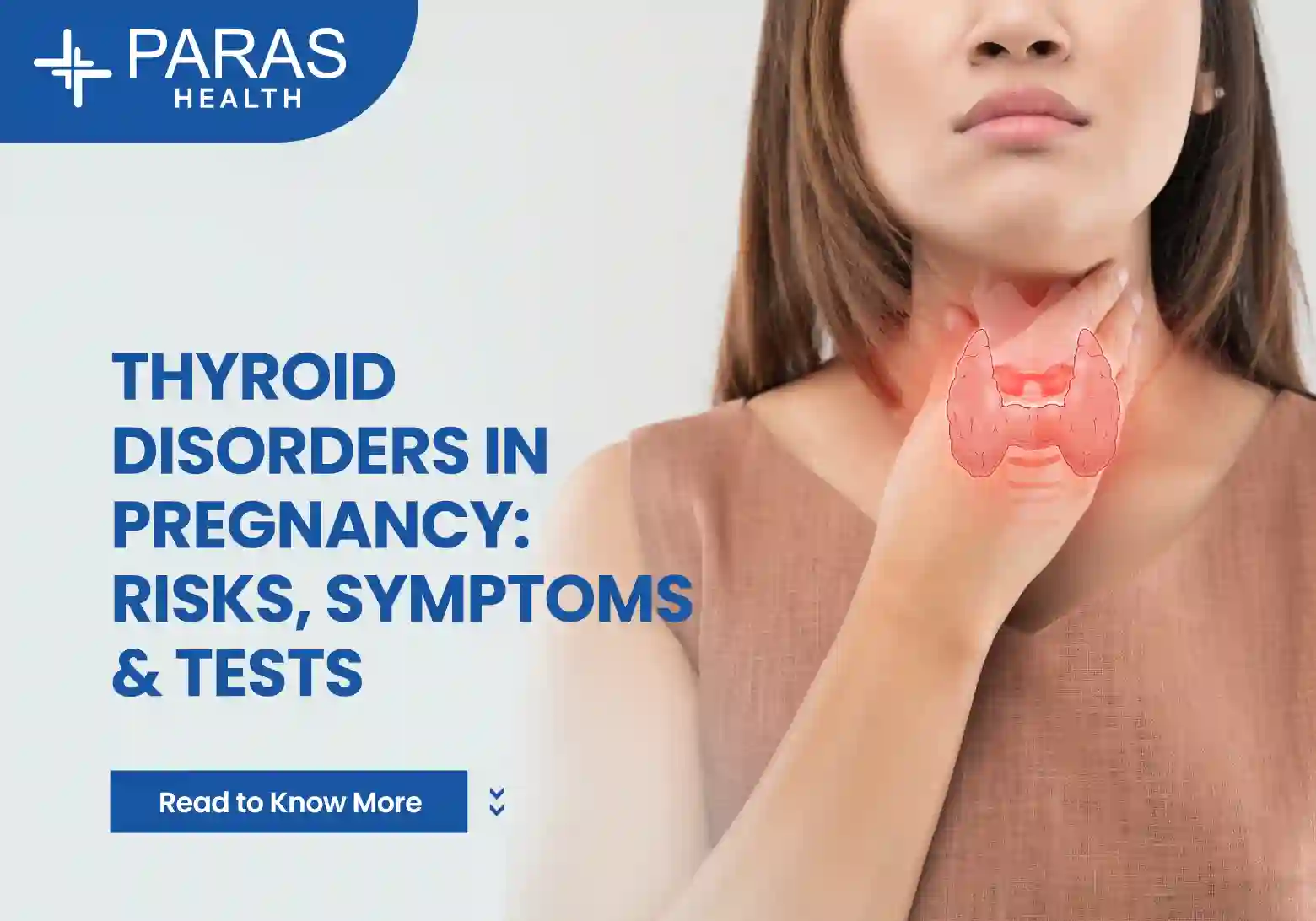
Pregnancy is a time of joy, hope, and change — not just emotionally, but also hormonally. One of the most crucial glands that influences both the mother’s and baby’s health is the thyroid gland.
Continue Reading
Pregnancy is often described as a journey of transformation. A woman’s body goes through numerous changes during these nine months to nurture and protect the growing baby. Among the many changes, fluctuations in blood pressure are very common.
Continue Reading
Becoming pregnant is one of the most important moments in a woman’s life. But before you even take a test, your body may start giving small hints. These early signs of pregnancy can appear in the very first few weeks, sometimes even before you miss a period. Knowing these changes helps you prepare, reduce anxiety, and seek medical advice at the right time.
Continue Reading
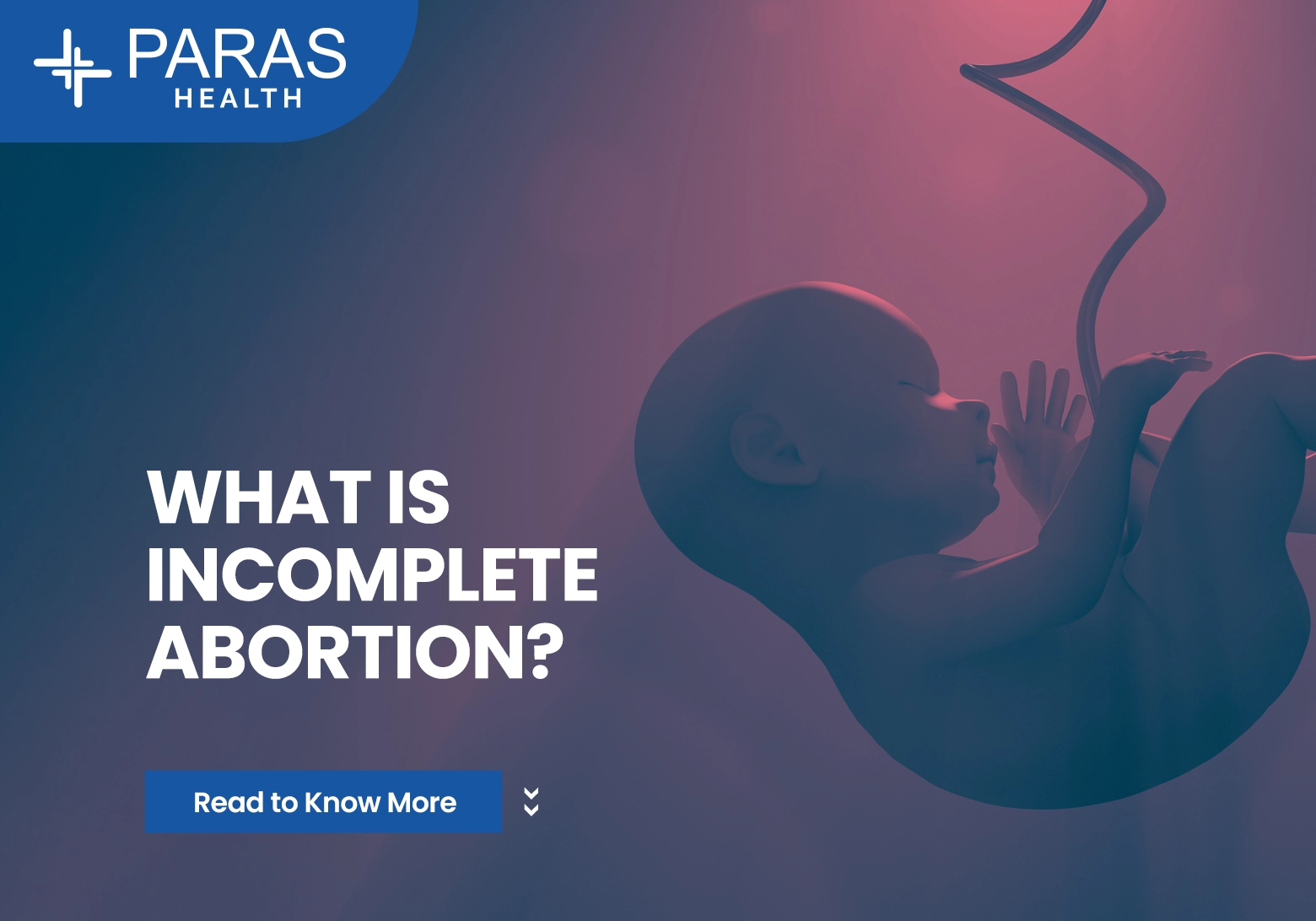
Incomplete abortion happens when some pregnancy tissue remains in the uterus after abortion or miscarriage. It can cause heavy bleeding, pain, or infection. With timely diagnosis and safe medical care, recovery is possible without long-term complications.
Continue Reading
Request A Call Back
Didn't Find What You Were Looking For

Get a call back from our Health Advisor