
Irregular Periods


The transformation of a girl into a women starts from early teenage years. The first major process is puberty when girls will begin to mature both mentally and physically. With puberty comes menstruation, a part of the menstrual cycle in which the endometrium, which is the lining of the uterus, is shed. This appears as bleeding from the womb that is released through the vagina. Periods start around the ages 10-16 years and continue on till menopause that is when a women is 45-55 years old.

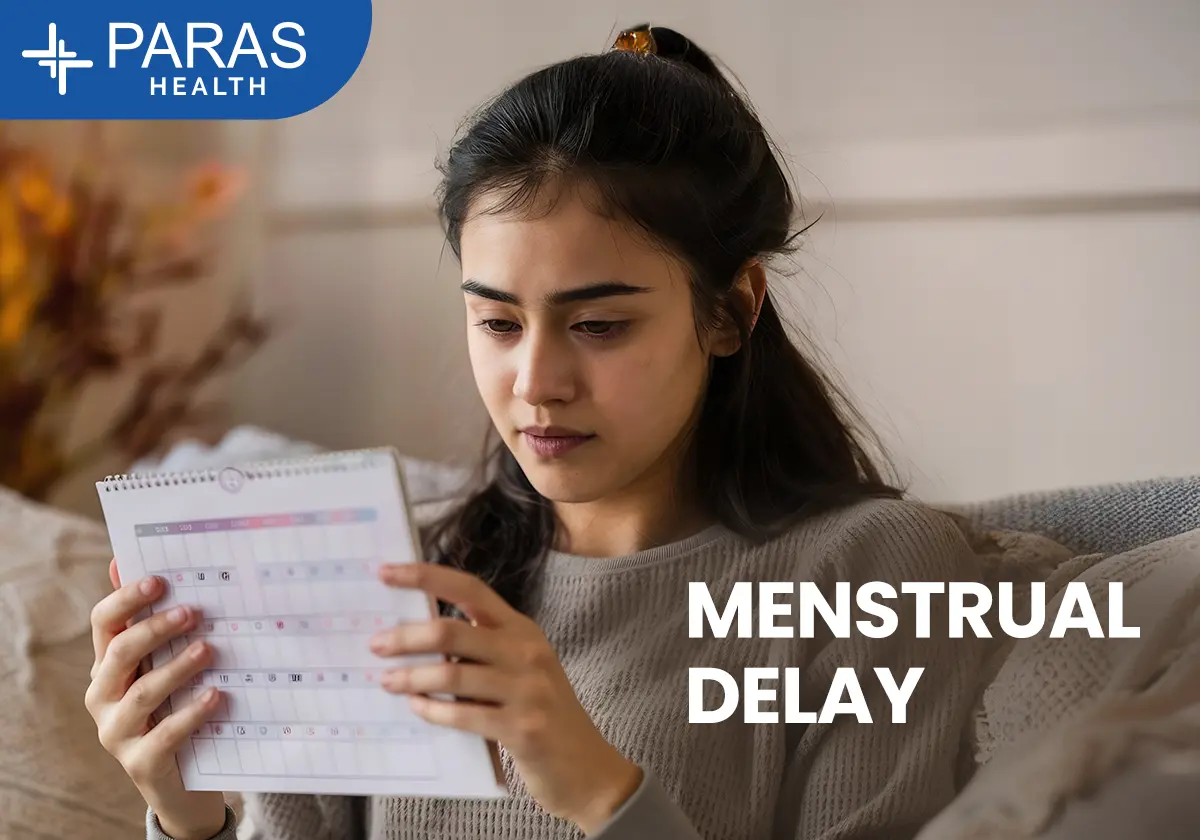
A menstrual cycle usually lasts around 28 days but may vary from 24 to 35 days. However, if the length of your menstrual cycle keeps changing and it lasts more than 35 days, then you are experiencing irregular periods. In fact, if there are changes in blood flow, or if clots appear that are more than 2.5 centimeters in diameter, this is also considered irregular. It is recommended to consult a Gynecologist near you if you notice such problems.
CAUSES & PROBLEMS
The major causes of irregular periods are often related to hormone production. Some cause include:
- Uncontrolled diabetes because the interaction between blood sugar levels and hormones can disrupt a woman’s menstrual cycle.
- Eating disorders—Women with conditions like anorexia or bulimia may experience irregular or missed periods.
- Medications—including anti-epileptics and antipsychotics—can cause irregular periods.
Irregular periods can also often be indicators to other health issues, some of which can lead to further complications such as:
- Polycystic ovarian syndrome (PCOS) – a condition in which a number of small, fluid-filled sacs known as cysts develop in the ovaries.
- A thyroid disorder can cause irregular periods. The thyroid gland produces hormones that affect the body’s metabolism.
- Cervical or uterine cancer, or cancer of the womb, may, in rare cases, causes bleeding between periods or during sexual intercourse.
TREATMENTS
Maintaining a healthful lifestyle can help reduce the risk of some of the causes of irregular periods such as exercising regularly to maintain a healthy weight and reduce stress and following a healthful diet.
Treatment (if needed) may depend on the cause of irregular periods that has been diagnosed. Certain medication may be prescribed by the gynecologist doctor like a low-dose birth control pill, metformin (for type 2 diabetes) or progesterone for 10 to 14 days each month to regulate the periods.



.webp)