
Chat with us on WhatsApp

Five things you should know about Breastfeeding

Five things you should know about Breastfeeding Five things you should know about Breastfeeding
Book Appointment
in Obstetrics & Gynaecology

Apr 19, 2022

Breastfeeding is an important activity in which the mother and baby bond and the baby are provided the right nutrition and diet. Breast milk is considered the best source of antibodies and prepares the baby for life to fight against diseases. Numerous organizations and researchers recommend that the baby should be exclusively breastfed for the first 6 months. It is important to know the facts associated with breastfeeding.
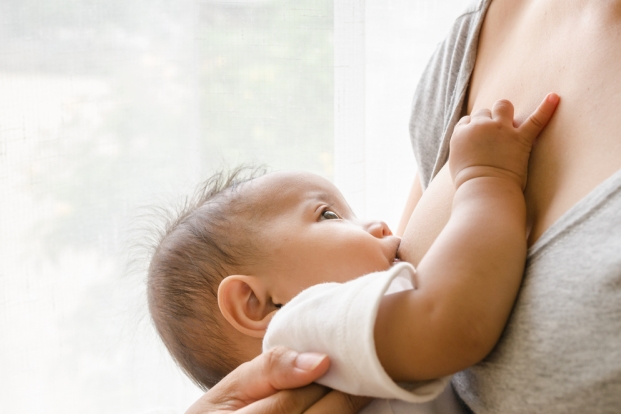
5 Facts associated with Breastfeeding


Facts associated with Breastfeeding:

  1. Breast feeding should be started soon after delivery. It should be started within the first hour of normal delivery and as soon as possible after a cesarean section.Support from family and hospital staff plays a pivotal in achieving this goal
  2. Mothers produce enough milk for their babies. They often give formula milk or cow’s milk in addition to breast milk as they feel that they are not producing enough for their baby. This is generally not true as breast feeding works as a stimulus for production of hormones which are required for secretion of milk. Hence the more they breast feed the more milk they produce. Top-up feeds have an adverse effect on this process and cause a reduction in the amount of breast milk produced.
  3. One can be confident that the baby is getting enough breast milk if he/she is doing the following: Passing urine at least 5-6 times every day  Passing stool that is changing from dark green to yellow in color. Gaining weight Remaining content and settled in between feeds.Latching and sucking on the breast with full cheeks and swallowing seen during feeding.
  4. Babies need only breast milk and nothing else till six months of life. This is known as exclusive breast feeding. Multivitamin drops and medications may be given if advised by the doctor. However, there is no need to give water or any supplementary food in the first six months of life.
  5. Breast feeding should be continued along with complementary feeding- Breast milk provides full nutrition for the first six months of life.To sustain full growth and development beyond six months babies need to be started on solid food. Ideally, these should be simple home- made items such as rice water, lentil (Dal) water, Khichdi, mashed fruits, and vegetables etc. Breast feeding should be continued along with this up to a maximum of two years.

Save

Book Appointment

Recent Blogs

Missing or delayed periods can feel stressful—especially when you’re unsure why it’s happening or how to fix it. If you’ve been searching for “how to get periods immediately” or “what to do if periods are late,” you’re not alone. Many women experience occasional delays due to lifestyle, hormonal changes, or underlying health conditions.
Continue Reading
A delayed period can instantly trigger worry. Your mind may jump to pregnancy, hormonal problems, or something serious—even when the delay is just a few days. The truth is, menstrual delay is very common and often linked to everyday factors like stress, lifestyle changes, or minor hormonal shifts.
Continue Reading
Many women today hear the terms PCOD and PCOS and instantly feel confused. They sound similar, have overlapping symptoms, and both relate to the ovaries — but they are not the same. If you’ve ever wondered, “What is the difference between PCOD and PCOS?” — this guide breaks it down clearly and simply.
Continue Reading
Pregnancy is a time of joy, hope, and change — not just emotionally, but also hormonally. One of the most crucial glands that influences both the mother’s and baby’s health is the thyroid gland.
Continue Reading
Pregnancy is often described as a journey of transformation. A woman’s body goes through numerous changes during these nine months to nurture and protect the growing baby. Among the many changes, fluctuations in blood pressure are very common.
Continue Reading
Becoming pregnant is one of the most important moments in a woman’s life. But before you even take a test, your body may start giving small hints. These early signs of pregnancy can appear in the very first few weeks, sometimes even before you miss a period. Knowing these changes helps you prepare, reduce anxiety, and seek medical advice at the right time.
Continue Reading
Incomplete abortion happens when some pregnancy tissue remains in the uterus after abortion or miscarriage. It can cause heavy bleeding, pain, or infection. With timely diagnosis and safe medical care, recovery is possible without long-term complications.
Continue Reading
Request A Call Back
Didn't Find What You Were Looking For

Get a call back from our Health Advisor