

Exercise the right way for Menopause


Menopause is known as the end of menstruation and occurs to women who do not have any menstrual cycle for 1 year. In this time a woman is considered going through the postmenopausal phase. Mostly women reach to menopause between the age of 45 to 55 years. Menopause can also occur in early stage because of chemotherapy, surgery or radiation.
Peri-menopause is the time when the symptoms linked to menopause begin. They can comprise of :
- Irregular periods
- Night sweats
- Hot flushes
- Depression
- Mood changes
- Sleeplessness
- Anxiety
- Headaches
- Vaginal dryness
- Incontinence
- Joint and muscle aches
however, the experiences of menopause vary from woman to woman and few women also experience a little more than the pause of the menses.
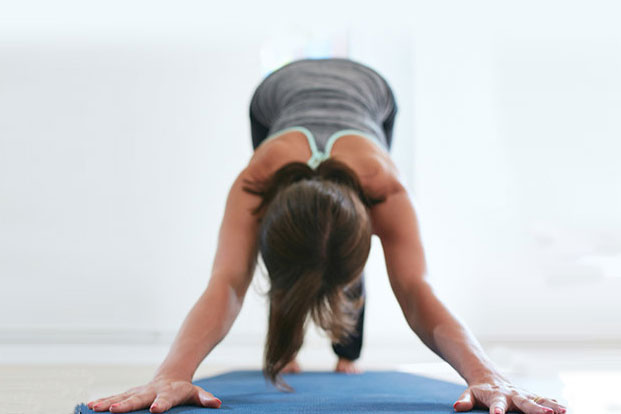
Why is it important to exercise?
Women that are middle aged need to do a variety of exercises to remain fit and to control the effects of the menopause. While there exists strong proof for the advantage of aerobic exercise resulting in fat loss, reducing risk of cardiac diseases and enhancing the mental health, resistance exercise can also help in fat loss and strengthens bone and muscles.
Coordination and balance activities help to prevent falls and strengthen the pelvic floor muscles. Flexibility exercise improves and maintains mobility too. Activities that strengthen muscles are recommended for at least two days per week and it is also important to reduce the amount of time spent during prolonged sitting.
Points To Remember – If You Are Experiencing Menopause Or Shall Be:
- Symptoms occur in combination with change in hormones, especially the estrogen and progesterone. Levels of Ovarian estrogen fluctuate prior to the eventual decline. Levels of progesterone fall as ovulation occurs less.
- Complications in health are also associated to weight gain and a menopausal woman usually complains of weight gain, especially around her waist. Even a woman who does not gain weight can experience a rise in her abdominal fat.
In addition to above conditions, women may also suffer from urinary incontinence or sexual difficulties because of urogenital changes weaken the pelvic floor muscles. In relevance to mental health, as well as anxiety and depression, some women also feel more forgetful and a decline in their cognitive functions can be seen.
Exercise Types Recommended For Women Going Through Menopause:
Aerobic activities – They make good use of large muscle groups while they keep your heart rate up. i.e. walking, biking, jogging and swimming. You can initially start with a 10 minute exercise and then slowly increase the duration.
Strength training – It is very important because osteoporosis risks also increases following menopause. Strength training exercise helps in building muscle, bone strength, burns body fat and revives the metabolism.



.webp)