

When Should I Change My Pad during Menstruation


When a girl has a period for the first time, it is a distinct step into womenhood. There are some tips to help one stay clean and hygienic during periods.
Most of us go through our periods very secretively and don’t really bother to figure out if our practices are hygienic or not. At times, we may wear the same napkin for a whole day. Women in villages still use reusable unhygienic cloth during periods. Since periods are considered unclean, they are not even allowed to use detergent for washing the soiled cloth. The normal menstrual blood loss is 80 ml and to absord that blood we need sanitary napkins. Today we have tampons and menstrual cups. In india,most women use a sanitary napkins which is manufactured by several companies. There are few tips to maintain hygiene during periods.
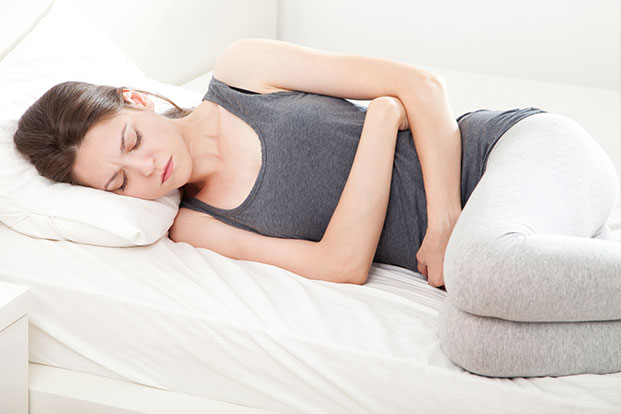
Change Regularly:- If you leave the sanitary pad or tampon for a long time, the bacteria or other organism multiply and can lead to conditions like urinary tract injection, vaginal infections and skin rashes.
The standard time to change a sanitary pad in once every six hours, while for a tampon is every two hours. But this changing time cannot be generalized, as it depends on the quality of sanitary pads and the need of the individual also. While some women might have a heavy flow and would need to change more often, others will need to change less frequently for a tampon the changing time is once every two hours.
Wash yourself regularly:- It is important to wash your vagina well before you change into a new pad. This practice tends to best bad odour from the vaginal region as well as prevent infections and skin rash.
Do not use soaps or vaginal hygiene product:- You can use soap on the external parts but do not use it inside your vagina .All you need to use some warm water.
Always wash or clean the area in the direction from the vagina:-It is in an important aspect. If not followed, the bacteria from the anus will land into vagina and urethral opening to urinary tract infections etc.
Beware of a pad rash:- A pad rash usually occurs when the pad has been wet for a long time and rub along the thighs causing the rash. If you develop rash, then change your pads regularly and stay dry. Apply an antiseptic ointment after a bath and before bed. This will had the rash .If it gets worse do visit your doctors who will provide with a medicated powder that can keep the area dry.
Do not use two pads or one pads and a tampon:- Instead use one sanctuary pad and change frequently. If you use two pads, you will not change until the two pads are wet. So by not changing frequently, it will lead to rashes, Infections and in the case of tampons toxic shock syndrome which is a serious infection.
Have a bath regularly:- It is a myth that a woman should not take bath during periods .But it is not so these days as we use clean water for bathing. Warm water bathing will give relief from menstrual cramps and backaches as well as it will clean the body and private parts.




.webp)