
Chat with us on WhatsApp

Can Hemophilia women plan pregnancy?

Book Appointment
in Obstetrics & Gynaecology

Apr 19, 2022

Hemophilia is a bleeding disorder; in this the blood doesn’t clot properly. It is caused when blood does not have enough clotting factor. If a woman is a carrier of hemophilia gene or suffers from the condition, there are chances that she might deliver a baby who also suffers from the same condition. But proper planning and precaution can help avert trouble. Here is what you can do before planning a baby:

  • Carrier status should be confirmed prior to conception by proper history and confirmatory diagnosis. You should opt for prenatal counseling and if possible also opt for genetic counseling.
  • These patients should be managed in a tertiary hospital and it has to be a team effort comprising obstetrician and hematologist. This is important as if the child will be carrying the gene, complications can happen at the time of birth also.
  • They have to accept a 50/50 risk. This explains that the child may or may not have the gene. Hence post conception it is advised that a prenatal genetic counseling be done.

 
Hemophilia and pregnancy

Following reproductive options are available:

  • Conducting Invitrofertilisation with donor egg and if available pre implantation genetic diagnosis (this technique involves IVF with identification and selection of non affected embryos for transfer back to the uterus.
  • Natural conception without prenatal diagnosis and accepting the risk and consequence of hemophilia in offspring.
  • Natural conception with prenatal diagnosis by CVS (chronic villus sampling or amniocentesis) and termination if fetus is affected.
  • Discuss normal delivery/ caesarian options with your obstetrician.
  • Investigating the baby after birth and management accordingly.

Though a genetic disorder like hemophilia cannot be prevented but taking requisite steps can ensure a good outcome. Moreover it is essential to the risks and be prepared for the future.

Book Appointment

Recent Blogs

Missing or delayed periods can feel stressful—especially when you’re unsure why it’s happening or how to fix it. If you’ve been searching for “how to get periods immediately” or “what to do if periods are late,” you’re not alone. Many women experience occasional delays due to lifestyle, hormonal changes, or underlying health conditions.
Continue Reading
A delayed period can instantly trigger worry. Your mind may jump to pregnancy, hormonal problems, or something serious—even when the delay is just a few days. The truth is, menstrual delay is very common and often linked to everyday factors like stress, lifestyle changes, or minor hormonal shifts.
Continue Reading
Many women today hear the terms PCOD and PCOS and instantly feel confused. They sound similar, have overlapping symptoms, and both relate to the ovaries — but they are not the same. If you’ve ever wondered, “What is the difference between PCOD and PCOS?” — this guide breaks it down clearly and simply.
Continue Reading
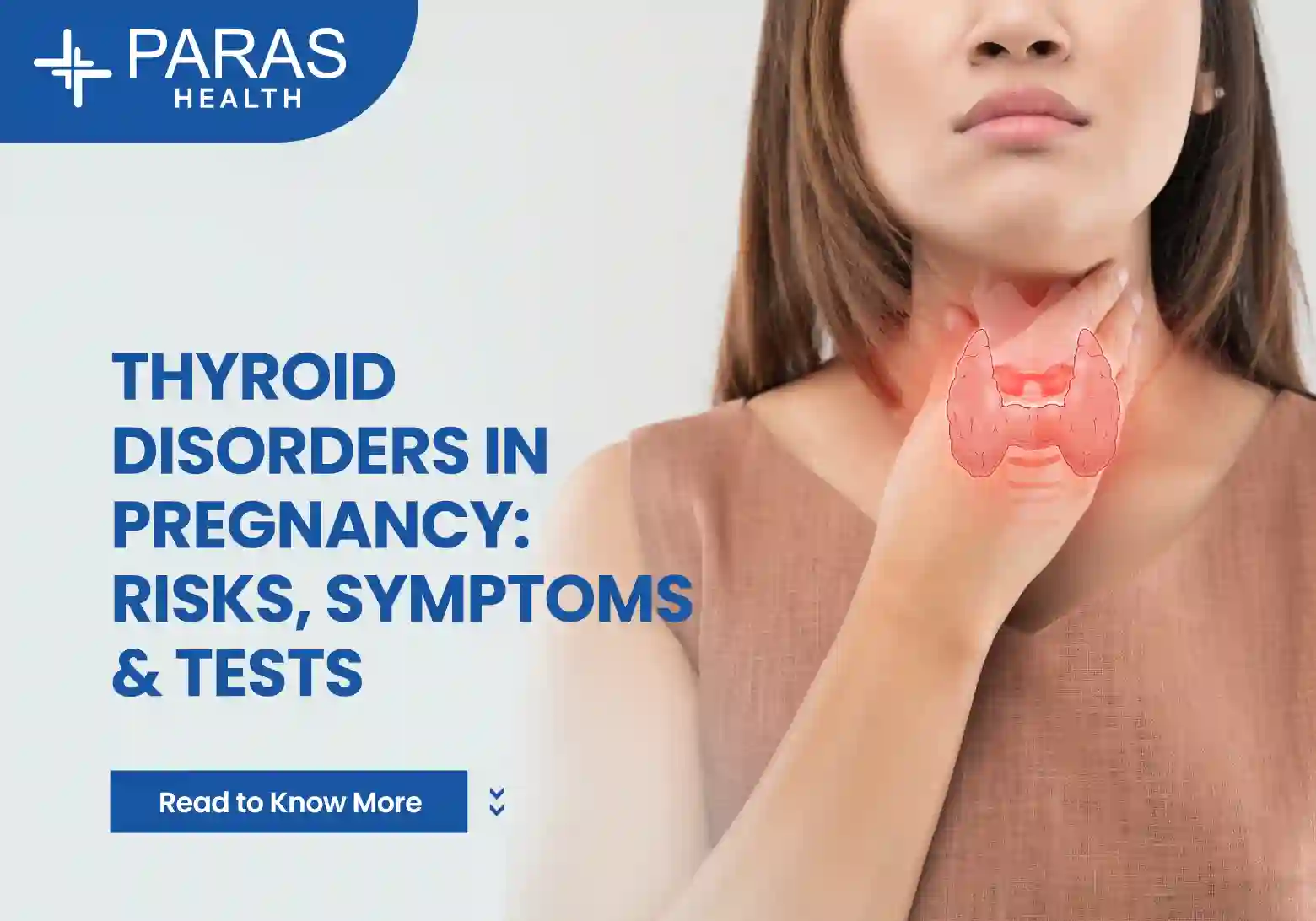
Pregnancy is a time of joy, hope, and change — not just emotionally, but also hormonally. One of the most crucial glands that influences both the mother’s and baby’s health is the thyroid gland.
Continue Reading
Pregnancy is often described as a journey of transformation. A woman’s body goes through numerous changes during these nine months to nurture and protect the growing baby. Among the many changes, fluctuations in blood pressure are very common.
Continue Reading
Becoming pregnant is one of the most important moments in a woman’s life. But before you even take a test, your body may start giving small hints. These early signs of pregnancy can appear in the very first few weeks, sometimes even before you miss a period. Knowing these changes helps you prepare, reduce anxiety, and seek medical advice at the right time.
Continue Reading
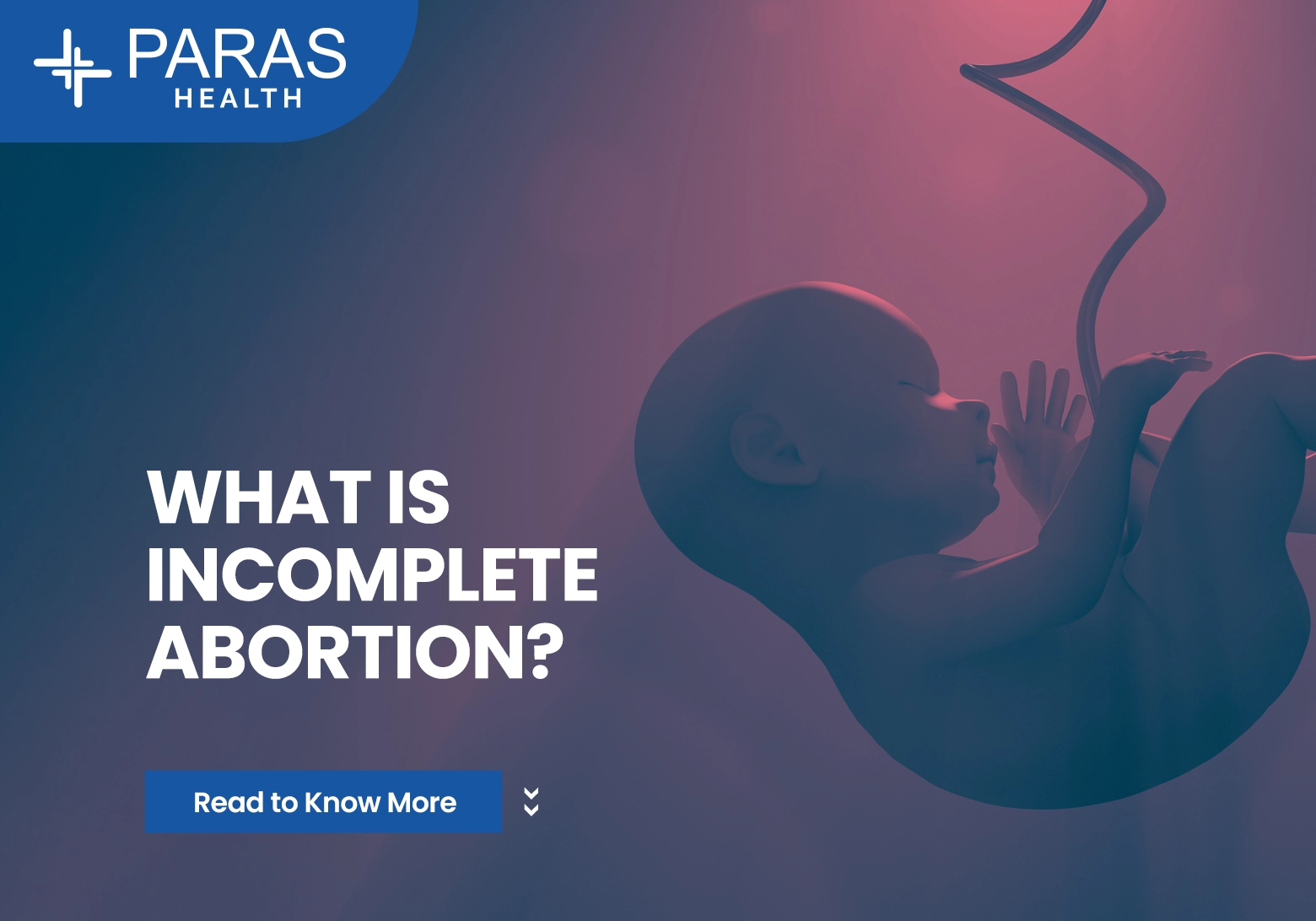
Incomplete abortion happens when some pregnancy tissue remains in the uterus after abortion or miscarriage. It can cause heavy bleeding, pain, or infection. With timely diagnosis and safe medical care, recovery is possible without long-term complications.
Continue Reading
Request A Call Back
Didn't Find What You Were Looking For

Get a call back from our Health Advisor