
Chat with us on WhatsApp

Breast Milk Storage- Do's & Don'ts

Breast Milk Storage- Do's & Don'ts Breast Milk Storage- Do's & Don'ts
Book Appointment
in Obstetrics & Gynaecology

Apr 19, 2022

Breast Milk storage is needed especially for working female and is done with the help of a breast pump. It is important to know the do’s and dont’s associated with breast milk storage. Refer to the list below for the same:

Do’s for Breast Milk Storage:
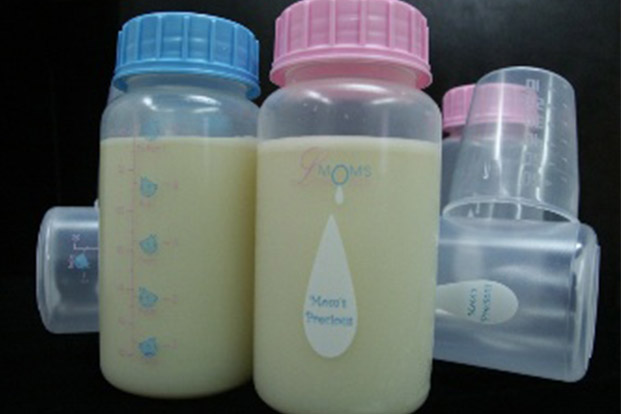
Breast Milk Storage Guidlines

  • Before expressing or handling breast milk wash your hands with soap and water.
  • Do store the breast milk in a clean, capped glass or hard plastic free container or special plastic bags designed for milk collection and storage.
  • Do label each other container with the date the breast milk is expressed, baby’s name using water proof labels and inks.
  • Do be sure to fill bags only to the maximum amount listed on the bag, 5 ounces is preferred.
  • Do store bags as flat as possible in the back of the refrigerator or freezer, where temperature is the coolest
  • Be sure to remove any excuses before zipping the bag closed
  • Be sure to zip your bags and double check they are completely sealed.
  • Do thaw the frozen container by placing it in refrigerator the night before you intend to use it. For quicker thawing hold the frozen milk container under warm running water or placing it in a bowl of warm water.
  • Do thaw the oldest milk container first.
  • Do cool the freshly expressed breast milk before adding it to previously chilled or frozen milk.
  • Do clean the breast pump parts after each use.

Don’ts for Breast Milk Storage:

  • Don’t overlook general hygiene, hand washing and sanitizing your pumping parts.
  • Don’t store breast milk in disposable bottle liners or plastic bags designed for general household work.
  • Don’t forget to label the bags.
  • Don’t overfill the storage bags. Please only fill the bags to its maximum capacity because breast milk expands as its frozen.
  • Don’t store bags on their sides, tightly against other items, or against the frozen door.
  • Don’t warm frozen milk in microwave or store or add warm water to previously chilled or frozen milk.
  • Don’t refreeze breast milk
  • Don’t add freshly expressed breast milk to an already frozen milk
Book Appointment

Recent Blogs

Missing or delayed periods can feel stressful—especially when you’re unsure why it’s happening or how to fix it. If you’ve been searching for “how to get periods immediately” or “what to do if periods are late,” you’re not alone. Many women experience occasional delays due to lifestyle, hormonal changes, or underlying health conditions.
Continue Reading
A delayed period can instantly trigger worry. Your mind may jump to pregnancy, hormonal problems, or something serious—even when the delay is just a few days. The truth is, menstrual delay is very common and often linked to everyday factors like stress, lifestyle changes, or minor hormonal shifts.
Continue Reading
Many women today hear the terms PCOD and PCOS and instantly feel confused. They sound similar, have overlapping symptoms, and both relate to the ovaries — but they are not the same. If you’ve ever wondered, “What is the difference between PCOD and PCOS?” — this guide breaks it down clearly and simply.
Continue Reading
Pregnancy is a time of joy, hope, and change — not just emotionally, but also hormonally. One of the most crucial glands that influences both the mother’s and baby’s health is the thyroid gland.
Continue Reading
Pregnancy is often described as a journey of transformation. A woman’s body goes through numerous changes during these nine months to nurture and protect the growing baby. Among the many changes, fluctuations in blood pressure are very common.
Continue Reading
Becoming pregnant is one of the most important moments in a woman’s life. But before you even take a test, your body may start giving small hints. These early signs of pregnancy can appear in the very first few weeks, sometimes even before you miss a period. Knowing these changes helps you prepare, reduce anxiety, and seek medical advice at the right time.
Continue Reading
Incomplete abortion happens when some pregnancy tissue remains in the uterus after abortion or miscarriage. It can cause heavy bleeding, pain, or infection. With timely diagnosis and safe medical care, recovery is possible without long-term complications.
Continue Reading
Request A Call Back
Didn't Find What You Were Looking For

Get a call back from our Health Advisor