

Symptoms of Epilepsy: How to Identify Epileptic Seizures Early
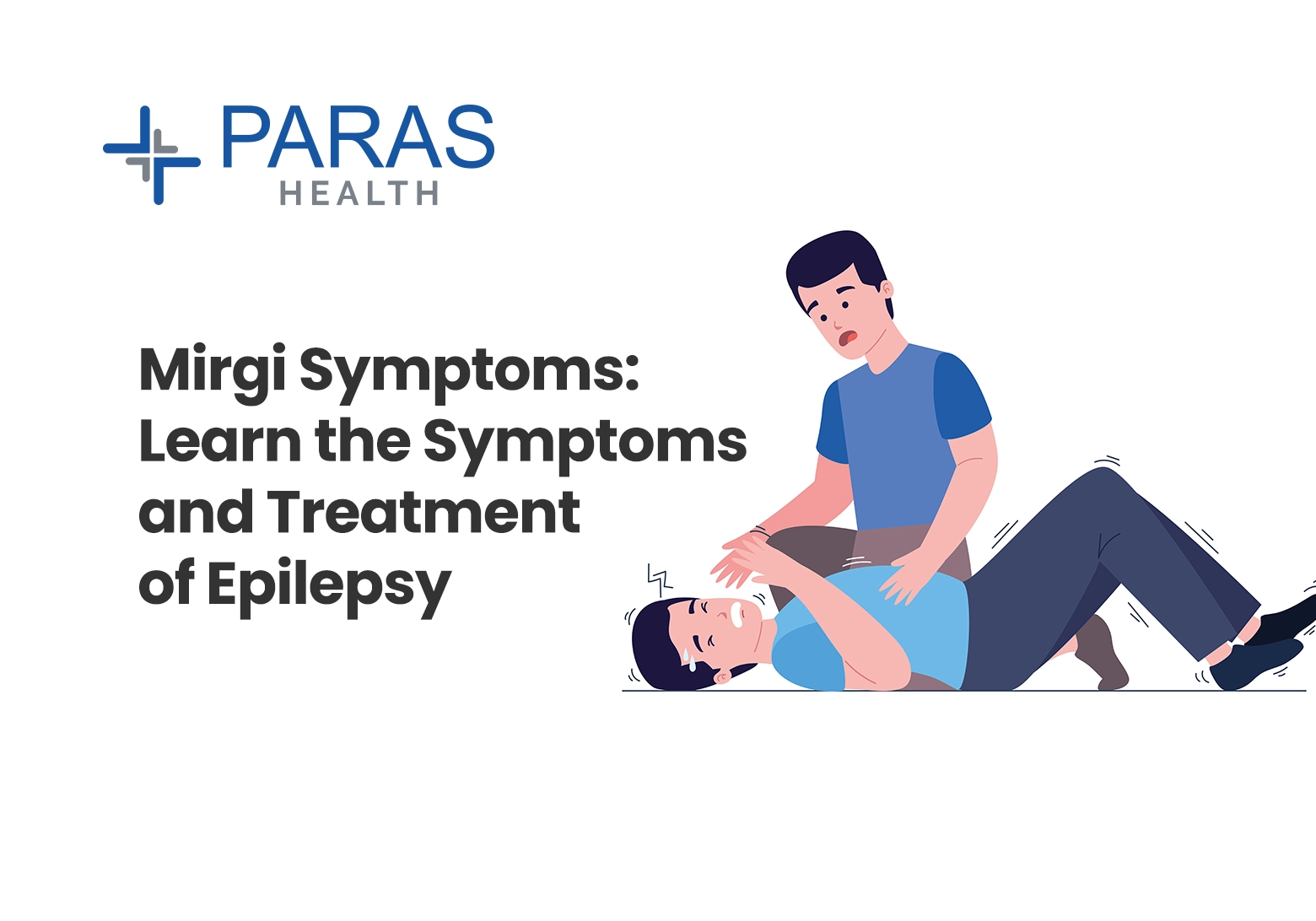

Have you ever seen someone suddenly lose consciousness, shake uncontrollably, or stare blankly without responding?
It could be epilepsy — a neurological condition that often goes undetected due to lack of awareness.
If you're wondering:
- What are the symptoms of epilepsy?
- How do seizures start?
- What are the signs of epilepsy in adults and children?
- What are “mirgi ke lakshan”?
Then this guide is for you.
Let’s dive into everything you need to know.
What is Epilepsy?
Epilepsy is a neurological disorder in which the brain shows abnormal electrical activity, leading to seizures. These seizures can look different in different people — from shaking to staring, from losing consciousness to sudden jerky movements.
More than 50 million people globally live with epilepsy, yet many don’t recognize the signs early enough.
Common Symptoms of Epilepsy
- Sudden Unconsciousness
- One of the most noticeable epilepsy symptoms is fainting or losing awareness for a few seconds or minutes without any warning.
- Jerking Movements (Muscle Twitching or Convulsions)
- The person may start shaking or experience muscle stiffness — often in the arms, legs, or entire body. This is common in tonic-clonic seizures.
- Staring Spells
- One might blankly stare into space without responding. These are called absence seizures, often seen in children.
- Strange Repetitive Behavior
During a focal seizure, the person might remain conscious but show unusual actions:- Lip smacking
- Repeated hand or body movements
- Wandering or confusion
- Foaming at the Mouth
- In more intense seizures, the person may have froth or saliva coming out of the mouth.
- Difficulty in Breathing
- Some people feel shortness of breath, shallow breathing, or even stop breathing for a few seconds during a seizure.
- Aura or Pre-Seizure Symptoms
Some people sense an upcoming seizure through:
This is known as an epilepsy aura symptom, common in partial seizures.
Epilepsy Symptoms in Children
- Sudden staring and unresponsiveness
- Stiffening or jerking movements during sleep (nocturnal epilepsy)
- Frequent falls without explanation
- Pausing mid-conversation
If your child exhibits these signs regularly, it’s time to consult a pediatric neurologist.
Epilepsy Symptoms in Adults & Women
- Memory blackouts
- Sudden confusion or fear without reason
- Muscle rigidity or collapse
- Increased seizure frequency during periods (due to hormonal changes)
- Visual or auditory hallucinations
Epilepsy in women can also be influenced by hormonal changes, making tracking even more important.
What Happens After a Seizure?
After a seizure, the person might experience:
- Extreme fatigue
- Confusion or disorientation
- Headache
- Muscle soreness or injuries
This phase is called the postictal state and may last minutes to hours.
How to Detect Epilepsy Early?
If the symptoms above happen more than once, especially without clear cause, you should:
- See a neurologist
- Get an EEG test to check brain activity
- Consider MRI or CT scans to detect underlying brain issues like injury or tumor
Types of Seizures in Epilepsy
|
Type |
Description |
|
Focal Seizure |
Starts in one part of the brain; person may or may not be aware |
|
Generalized Seizure |
Affects the entire brain; usually includes loss of consciousness |
|
Absence Seizure |
Brief staring spells, common in children |
|
Tonic-Clonic |
Full body jerking, frothing, loss of control – most severe |
Understanding the type of seizure helps in planning the right treatment.
When to See a Doctor
See a doctor immediately if:
- A seizure lasts more than 5 minutes
- The person does not regain consciousness
- They’re struggling to breathe
- There are injuries during the seizure
- It’s their first-ever seizure
Never delay medical help in these situations.
Is Epilepsy Treatable?
Yes! Most people with epilepsy live a normal life with the right treatment. Options include:
- Anti-epileptic drugs (AEDs)
- Lifestyle changes like regular sleep, reducing stress
- Avoiding known epilepsy triggers (flashing lights, alcohol, sleep deprivation)
- In severe cases, surgery or neurostimulation devices
Early diagnosis and consistent treatment are the keys to controlling seizures.
FAQs – Frequently Asked Questions
Q1. What are the most common symptoms of epilepsy?
Unconsciousness, muscle jerking, blank stares, foaming at the mouth, strange body movements.
Q2. Are seizures always dramatic?
No. Some are silent like staring spells or momentary confusion, especially in kids.
Q3. What are epilepsy symptoms in children?
Sudden silence, unresponsiveness, frequent falls, or night-time jerks.
Q4. What is an epilepsy aura?
A feeling or sensation that occurs just before a seizure — like fear, smell, taste, or nausea.
Q5. Does epilepsy go away with age?
In some children, it may improve with age or treatment. But many require lifelong care.
Q6. Is epilepsy contagious?
Not at all. It cannot spread from person to person.
Q7. Can stress trigger seizures?
Yes. Stress, sleep loss, and anxiety are common epilepsy triggers.
Q8. Can women have more seizures during menstruation?
Yes. Hormonal changes can affect seizure patterns.
Q9. How do I know if my child has epilepsy or is just zoning out?
If zoning out happens repeatedly and unpredictably, with no awareness, consult a doctor.
Q10. Is it safe to drive with epilepsy?
Only after a seizure-free period and doctor's clearance. Rules vary by country.
Conclusion
Epilepsy is not a curse — it’s a manageable condition with early awareness and the right care.
Recognizing the early symptoms of epilepsy and taking quick action can make a life-changing difference. Whether it's your child, parent, friend, or yourself — if you spot any repeated signs like staring, fainting, or body jerking, don’t ignore them.
Talk to a neurologist. Get a diagnosis. Take control early.