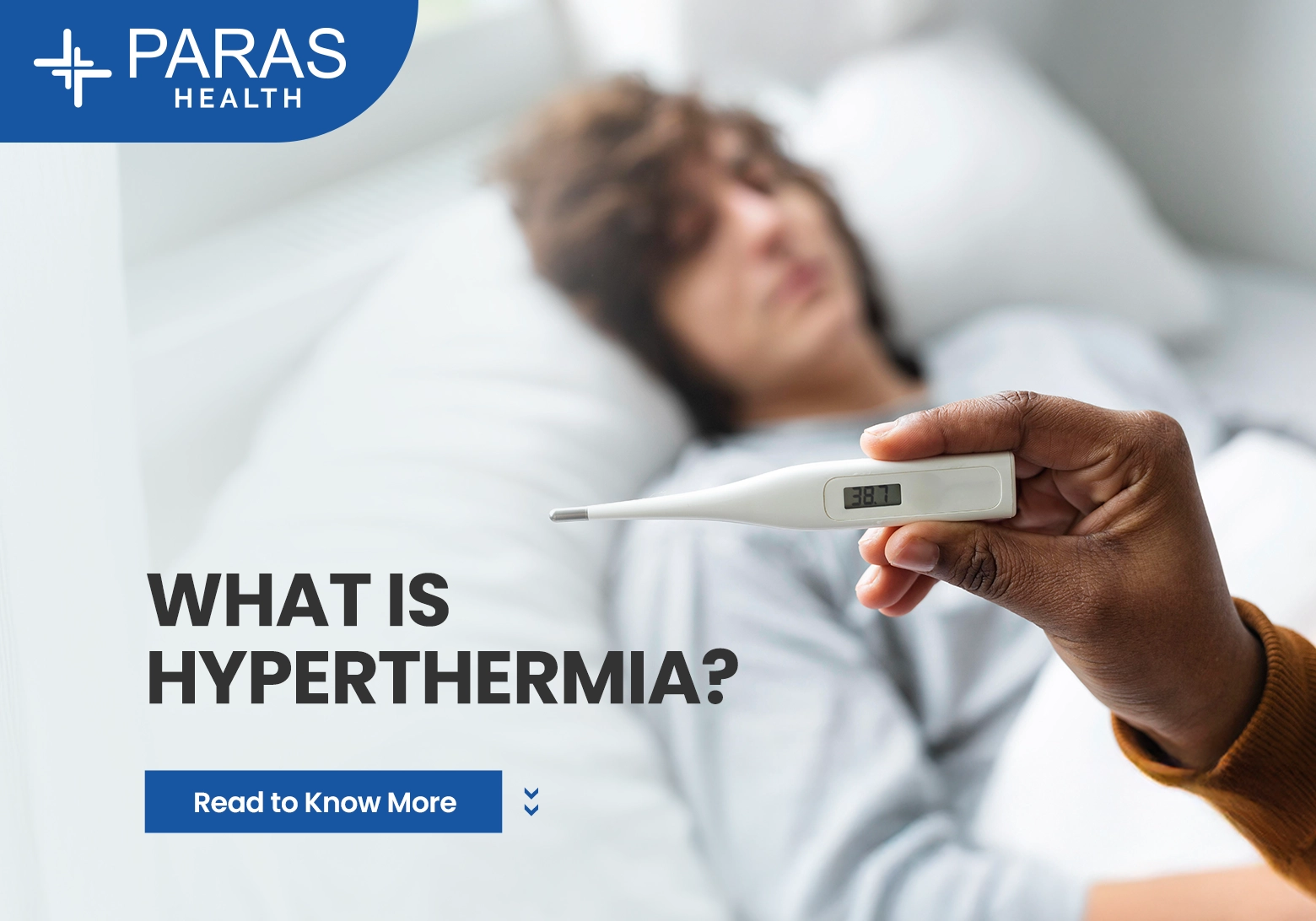

Frequent Fever: Common Causes & Health Risks


Fever is the body’s natural defense mechanism against infections. But when fever comes back again and again, it becomes a matter of concern. Frequent fever, also known as recurrent or persistent fever, may be a sign of an underlying health issue that needs attention.
In this blog, we’ll explain the common causes of frequent fever, possible health risks, when to seek medical help, and important FAQs to clear your doubts.
What is Frequent Fever?
A fever is generally considered when your body temperature goes above 100.4°F (38°C). A frequent or recurrent fever means that a person experiences fever multiple times in a short span, often without complete recovery in between.
It can affect adults, children, and even pregnant women, and may indicate infections, autoimmune issues, or chronic illnesses.
Common Causes of Frequent Fever
- Infections
- Viral infections: Cold, flu, dengue, chikungunya, and COVID-19 often cause frequent fever.
- Bacterial infections: Typhoid, urinary tract infection (UTI), pneumonia, and tuberculosis.
- Parasitic infections: Malaria is one of the leading causes of recurrent fever in India.
- Autoimmune Diseases
- Conditions like rheumatoid arthritis, lupus, and inflammatory disorders can trigger fever again and again as the immune system attacks healthy tissues.
- Chronic Illnesses
- Cancer-related fever is common in leukemia, lymphoma, and other cancers.
- Chronic infections such as HIV/AIDS or hepatitis may also present with persistent fever.
- Lifestyle and Environmental Causes
- Prolonged stress and weakened immunity.
- Exposure to unhygienic conditions leading to repeated infections.
- Poor nutrition or dehydration.
Frequent Fever in Children vs. Adults
- Children: Recurrent fever is often due to viral infections, throat infections, or ear infections. Sometimes, poor hygiene (like unwashed hands or contaminated water) increases the risk.
- Adults: In adults, frequent fever is more likely linked to chronic illnesses, autoimmune diseases, or lifestyle-related infections.
Health Risks of Frequent Fever
Ignoring frequent fever can be risky. Some possible complications include:
- Dehydration due to excessive sweating.
- Weak immune system leading to repeated infections.
- Weight loss and fatigue if fever is prolonged.
- Septicemia (blood infection) in untreated cases.
- Organ damage in cases of chronic fever linked to cancer or autoimmune diseases.
When to See a Doctor?
You should consult a doctor if:
- Fever lasts more than 7 days.
- You have frequent fever with night sweats, weight loss, or fatigue.
- Fever is above 103°F (39.5°C).
- Children have recurrent fever without clear cause.
- Pregnant women experience repeated fever.
Diagnosis of Frequent Fever
Doctors may recommend:
- Blood tests (CBC, ESR, CRP) to check for infections or inflammation.
- Urine tests for UTI.
- Chest X-ray for pneumonia or TB.
- Specific tests for malaria, dengue, typhoid, or autoimmune conditions.
Treatment for Frequent Fever
- Antibiotics or antivirals for infections.
- Immunosuppressants in autoimmune diseases.
- Lifestyle changes like hydration, nutrition, and rest.
- Hospitalization in severe cases like septicemia, dengue, or cancer-related fever.
Remember: Do not self-medicate. Always consult a doctor for proper diagnosis and treatment.
How to Prevent Frequent Fever?
- Maintain good hygiene: wash hands, drink clean water.
- Get vaccinations (for typhoid, flu, COVID-19, etc.).
- Strengthen immunity with a balanced diet and exercise.
- Avoid self-medication and complete prescribed treatments.
Key Facts (From Trusted Organizations)
- According to the World Health Organization (WHO), fever is one of the most common symptoms of infectious diseases globally.
- UNICEF reports that children under 5 are highly vulnerable to fever due to infections like malaria and pneumonia.
- The Centers for Disease Control and Prevention (CDC, USA) highlights fever as a warning sign in conditions like dengue, malaria, and tuberculosis.
- Indian Council of Medical Research (ICMR) states that recurrent fever is a leading reason for medical visits in India, particularly in regions with high malaria and dengue prevalence.
10 Frequently Asked Questions (FAQs)
Why do I keep getting fever again and again?
Frequent fever can be caused by infections (viral, bacterial, parasitic), autoimmune diseases, or chronic illnesses.
Is frequent fever a sign of serious illness?
Yes, sometimes. It may indicate serious conditions like tuberculosis, cancer, or autoimmune diseases.
What are the common causes of recurrent fever in children?
In children, recurrent fever is mostly due to viral infections, throat infections, or poor hygiene.
When should I worry about persistent fever?
If fever lasts longer than a week, comes with weight loss, fatigue, or night sweats, you should see a doctor.
Can frequent fever be a sign of cancer?
Yes, in some cases, cancer-related fever is an early warning sign of blood cancers like leukemia or lymphoma.
How is frequent fever diagnosed?
Doctors may use blood tests, urine tests, X-rays, or specific tests for malaria, dengue, or typhoid.
What are the risks of ignoring recurrent fever?
Untreated fever may lead to dehydration, weak immunity, organ damage, or sepsis.
Which doctor should I consult for frequent fever?
Start with a general physician. Depending on tests, you may be referred to an infectious disease specialist, rheumatologist, or oncologist.
Can frequent fever be prevented?
Yes. Good hygiene, clean drinking water, vaccinations, and strong immunity can help prevent frequent fever.
What home remedies help with frequent fever?
Drinking plenty of fluids, resting, using a cool compress, and eating light food can help manage fever temporarily, but medical advice is crucial.
Conclusion
Frequent fever is not just an inconvenience – it’s your body’s way of signaling that something may be wrong. While mild viral fevers are common, recurrent or persistent fever should never be ignored. Identifying the cause early and seeking proper treatment can prevent serious health risks.
If you or your child keeps getting fever again and again, consult a doctor immediately. Early diagnosis and timely treatment can make all the difference.

Dr. Saraswati Kushwah is an Internal Medicine specialist with expertise in diabetes, hypertension, infectious diseases, respiratory disorders, arthritis, and preventive healthcare.
Meet The Doctor