
What Is a Thyroid Function Test – Uses, Importance And How It Helps in Diagnosis?


Thyroid is an important endocrine gland placed in front of the neck. It is a butterfly shaped gland that lies in front of wind pipe joint below the voice box. Normally it is not prominent however if it is enlarged it is visible and is called goitre. Thyroid gland releases the hormone thyroxin which is essential for body metabolism.
If thyroid gland hormones are reduced in the body one can feel weak, tired, can experience swelling in the body, sleepiness, loss of appetite, weight gain, etc.
If thyroid hormone levels are increased, the affected person feels more hungry, can experience weight los along with palpitations and excessive sweating, etc.
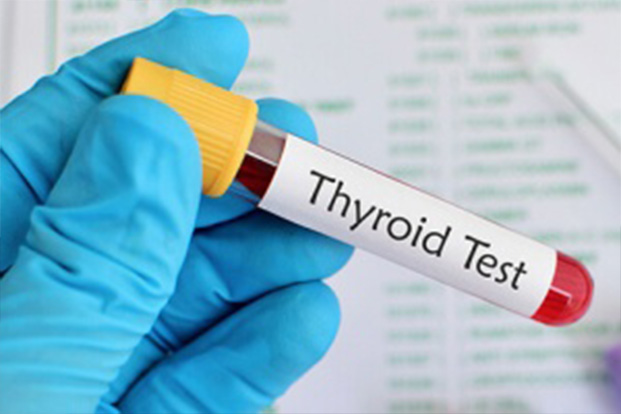
Excess function of thyroid gland fails to produce enough hormones. This could be due to unknown factors. Sometimes some autoimmune diseases (self- destroying) diseases can be the cause of it. In blood test a low level of thyroxin and high level of TSH indicate under active thyroid activity.
The pituitary which is the master gland of body, releases TSH (Thyroid Stimulating Hormone) which controls the release of thyroid hormones (T3 and T4) from the thyroid gland.
- In an over active thyroid gland TSH levels are suppressed by excess T3 and T4 levels.
- In an under active thyroid TSR levels are high due to level T3 and T4.
Thus thyroid function tests help us to define how thyroid gland in working.
Why are Thyroid Tests Ordered?
Thyroid tests are requested to check the levels of TSH and the thyroxin levels. To check the same TSH, T3 and T4 is added.
T4 is the main hormone produced by thyroid. T3 is mainly produced in conversion of T4. T3 and T4 are largely protein bound in blood. The doctor prescribes medicine considering the signs, symptoms and reports.
The normal range of TSH levels is 0.4 to 4.0 milli-international units per liter. If you’re already being treated for a thyroid disorder, the normal range is 0.5 to 3.0 milli-international units per liter. A value above the normal range usually indicates that the thyroid is underactive. This indicates hypothyroidism.