
Thyroid Disease: Know the Facts


Thyroid problem is a global reality
Around 200 million people around the globe are suffering from some form of a thyroid problem. Thyroid problems for the most part can be treated but untreated thyroid problem can cause serious consequences in other body parts. Better awareness amongst people about thyroid problems can enable them to manage the disturbing courses of thyroid problem efficiently. This shall help individuals in reporting their problems to physicians on time.
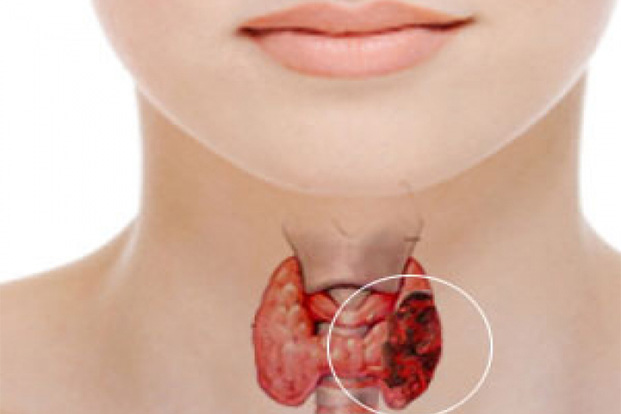
What is a Thyroid Gland?
It is a small gland shaped like a butterfly situated at the bottom of the neck. It weighs 20 grams only but the hormones secreted by it are vital for metabolism and all growth. It is a regulator of all the body functions. Thyroid problems are found within 0.8 % to 5% population of the world and are 4 – 7 times more common within women.
Types of thyroid problems
There are several kinds of thyroid problems. The main conditions, however, are hyperthyroidism or thyroid over activity and hypothyroidism or thyroid under activity.
Thyroid cancer and thyroid nodules
Thyroids nodules are common but treatable and shall be diagnosed as their small portion is also cancerous. Most of the thyroid cancers have favorable prognostic and need multidisciplinary approach i.e. an endocrinologist, surgeon, expert in nuclear medicine and oncologist. Thyroid cancer cases have in rising in last few years, however, the mortality rate remains unchanged.
Symptoms of Thyroid problem
Symptoms of hyperthyroid and hypothyroid are:
Hyperthyroidism
- Rapid and forceful heartbeat
- Muscular weakness
- Tremor
- Loss of weight despite an increased appetite
- Anxiety, restlessness, and sleeplessness
- Heat intolerance and profuse sweating
- Eye changes
- Diarrhea
- Goiter or increased size of thyroid
Every patient’s experience of thyroid disease varies as it depends on several factors; an individual may not necessarily experience all aforementioned symptoms and few patients also have these symptoms in absence of thyroid illness. There is a need to consult a physician when thyroid disease is suspected.
Hypothyroidism
- Weak and slow heart beat
- Constant fatigue and muscular weakness
- Sensitivity to cold
- Dry skin or thick puffy skin
- Poor memory or slower mental processes
- Goitre
- Constipation
Emotional aspect of thyroid disease
Hyperthyroid patients feel irritable or nervous. Hypothyroid patients feel depressed or unusual fatigue. It is very important for thyroid patients and their families to understand that these feelings are common and also shall resolve along with the treatment.
Lifelong monitoring
Thyroid patients need lifelong monitoring. Patients who believe that they have completely been cured of the illness must discuss their need for follow-ups with their physicians.
Save