
Chat with us on WhatsApp

Relationship Between Diabetes And Thyroid Disorder

Relationship Between Diabetes And Thyroid Disorder Relationship Between Diabetes And Thyroid Disorder
Book Appointment
in Endocrinology

Apr 19, 2022

Thyroid disorder is the second only to diabetes as the most common condition to affect the endocrine system. These are a group of glands secreting hormones which help regulate growth, reproduction and nutrient use by cells.
Since the thyroid gland plays a central role in the regulation of metabolism, abnormal thyroid function can have a major focus on the control of diabetes.
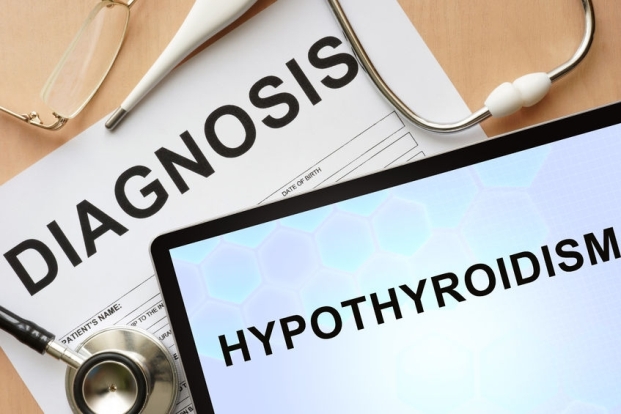
In addition, untreated thyroid disorder can raise the risk of certain diabetic complications and can aggravate several diabetes symptoms. Luckily, abnormal thyroid function can easily be treated by simple blood tests and effective treatment is available to treat this. We recommend regular screening of thyroid disorder amongst people with diabetes. People with diabetes have an increased risk of developing thyroid disorder. In general, approximately 6% of people have been found to develop thyroid disorders in a later stage of diabetes.
However, the prevalence of thyroid disorder can increase to over 10% in people with diabetes. Since people with one form of autoimmune disorder have an increased chance of developing other autoimmune disorders, people with Type 1 diabetes have a higher risk of autoimmune thyroid disorder. Up to 30% of women with Type 1 diabetes have fewer forms of autoimmune thyroid disease. Postpartum thyroiditis, a form of autoimmune thyroid disease that causes thyroid dysfunction within a few months after delivery of a child, is three times more common in women with diabetes. Although, Type 2 diabetes is not an autoimmune disorder, there have been several reports showing a higher occurrence of thyroid diseases specially hypothyroidism, among people with Type 2 diabetes. The association between Type 2 diabetes and thyroid disorder, however, remains unexplained. Since normal thyroid function is essential to regulate energy metabolism, abnormal thyroid function may have profound effects on blood glucose control in diabetes.


Book Appointment

Recent Blogs

Estrogen is one of the most important hormones in the human body, yet many people only associate it with women’s health. The truth is, estrogen plays a vital role in both men and women, influencing everything from reproductive health to mood, bone strength, and even heart health.
Continue Reading
In today’s fast-paced lifestyle, chronic stress, poor sleep, and unhealthy habits are making cortisol hormone imbalance more common than ever.
Continue Reading
Today, many people experience unexplained weight gain, constant fatigue, or sugar cravings—and often ignore these signs. What most don’t realize is that these could be early symptoms of insulin resistance, a condition that can eventually lead to type 2 diabetes, heart disease, and other metabolic problems.
Continue Reading
In today’s fast-paced, urban lifestyle, many of us are juggling long working hours, irregular meals, stress, and very little physical activity. While this may feel normal, it quietly puts your health at risk. One such condition that often goes unnoticed is metabolic syndrome.
Continue Reading
Have you recently been told that your blood sugar levels are slightly high, but not high enough to be called diabetes? If yes, you may have prediabetes.
Continue Reading
If you’ve ever looked at your blood test report and wondered, “Is my HbA1c normal for my age?”—you’re not alone. HbA1c is one of the most important tests for understanding long-term blood sugar control, but many people don’t realise that ideal HbA1c levels can vary by age.
Continue Reading
Have you ever wondered why some people seem to eat freely without gaining weight, while others struggle despite eating carefully? The answer often lies in metabolic rate.
Continue Reading
Request A Call Back
Didn't Find What You Were Looking For

Get a call back from our Health Advisor