
Hyperthyroidism – Early Diagnosis and Treatment is Essential


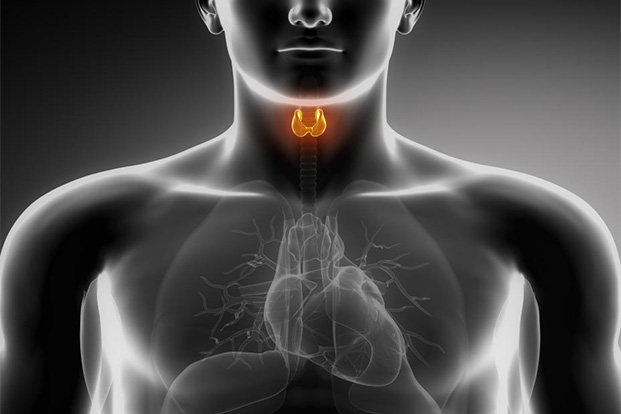
Hyperthyroidism is a condition where there is an increased level of thyroxine hormone in our blood. This hormone is produced by a small butterfly shaped thyroid gland in our neck.
Causes of Hyperthyroidism:
The most common cause of hyperthyroidism is Grave’s disease. It is an autoimmune disorder where certain antibodies stimulate the thyroid gland to secrete too much hormone. It is more common in women and tends to run in families. Other causes of hyperthyroidism are tumors of thyroid gland and pituitary gland, excess intake of thyroxine for treatment of hypothyroidism.
Symptoms of Hyperthyroidism:
- People with hyperthyroidism experience weight loss despite increase in appetite, diarrhea, sweating and intolerance to heat.
- Other symptoms are increased or irregular heart rate, prominent and often protruding eyes (exophthalmose), generalised weakness.
- Hyperthyroid patients feel restless, anxious and nervous. They cannot concentrate or even sleep properly.
- Women experience irregular periods.
- Symptoms like dizziness, shortness of breath, loss of consciousness, fast and irregular heart rate require immediate medical attention as these can progress fast and lead to heart failure and strokes.
Diagnosis of Hyperthyroidism:
Patients who present with above symptoms could be potentially suffering from hyperthyroidism. Blood tests, Ultrasound of the thyroid gland and a special scan of thyroid gland known as radioactive iodine uptake scan is required to confirm the diagnosis. In cases where tumors of brain seem to be the cause, CT or MRI of head is required to confirm the diagnosis.
Treatment of Hyperthyroidism:
Treatment of hyperthyroidism is necessary in order to prevent the complications such as heart failure and heart rhythm abnormalities. Moreover lack of sleep and anxiety affect the quality of life and these should be controlled as well.
Treatment is focused on three main aspects:
- Radio iodine therapy- This reduces the size of gland so that excess hormone production stops.
- Oral Medications such as beta blockers to control the symptoms like fast and irregular heart rate. Other antithyroid medications such as carbimazole and methimazole also reduce the amount of hormone produced by the gland
- Surgery is done to remove the excess thyroid gland.
The treatment is decided based on the severity of symptoms by the treating doctor.