
Chat with us on WhatsApp

How often should you check my TSH Levels?

How often should you check my TSH Levels? How often should you check my TSH Levels?
Book Appointment
in Endocrinology

Apr 19, 2022

At the start of treatment your doctor will carry out blood tests basically every few weeks. The outcome will help to fine-tune your treatment. Gradually the number of tests will decrease as per the treatment plan for you. In hypothyroidism, a TSH test once a year will suggest whether the levels are in control or not.
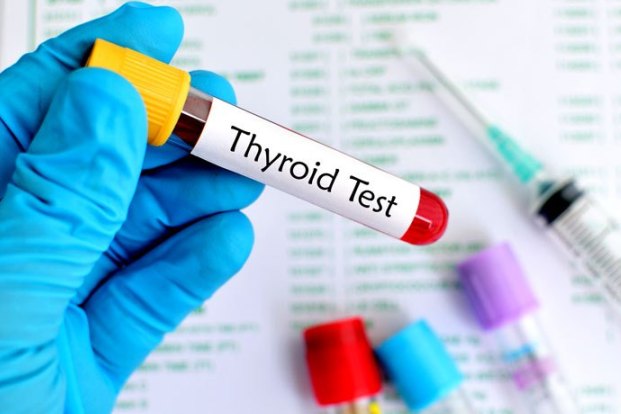
It leads to maximum levels of TSH and low levels of free T4. If your free T4 levels are too low the normal range for T4 is 5 to 13.5 micrograms per deciliter, it’s an  indication that you have hypothyroidism, even if your previous TSH tests came back normal. Again, the normal ranges vary between multiple diagnostic labs. Initially, your physician will check your thyroid levels, like as your TSH, 6 weeks after each dose change. Once your thyroid levels are in the normal range, levels are usually rechecked only once yearly. Patients with explained TSH levels usually 4.5-10.0 mIU/L but normal free hormone levels or estimates are considered to have mild or subclinical hypothyroidism.In initial  hypothyroidism, TSH levels are elevated, T4 levels are normal to low, and T3 levels are normal. The normal range of TSH levels is 0.4 to 4.0 milli-international units per liter. If you’re already being treated for a thyroid disorder, the normal range is 0.5 to 3.0 milli-international units per liter. A value above the normal range usually indicates that the thyroid is underactive. It indicates hypothyroidism. A patient whose TSH level is within the reference range is suggested  to as euthyroid, and is considered to have normal thyroid function.

Book Appointment

Recent Blogs

Estrogen is one of the most important hormones in the human body, yet many people only associate it with women’s health. The truth is, estrogen plays a vital role in both men and women, influencing everything from reproductive health to mood, bone strength, and even heart health.
Continue Reading
In today’s fast-paced lifestyle, chronic stress, poor sleep, and unhealthy habits are making cortisol hormone imbalance more common than ever.
Continue Reading
Today, many people experience unexplained weight gain, constant fatigue, or sugar cravings—and often ignore these signs. What most don’t realize is that these could be early symptoms of insulin resistance, a condition that can eventually lead to type 2 diabetes, heart disease, and other metabolic problems.
Continue Reading
In today’s fast-paced, urban lifestyle, many of us are juggling long working hours, irregular meals, stress, and very little physical activity. While this may feel normal, it quietly puts your health at risk. One such condition that often goes unnoticed is metabolic syndrome.
Continue Reading
Have you recently been told that your blood sugar levels are slightly high, but not high enough to be called diabetes? If yes, you may have prediabetes.
Continue Reading
If you’ve ever looked at your blood test report and wondered, “Is my HbA1c normal for my age?”—you’re not alone. HbA1c is one of the most important tests for understanding long-term blood sugar control, but many people don’t realise that ideal HbA1c levels can vary by age.
Continue Reading
Have you ever wondered why some people seem to eat freely without gaining weight, while others struggle despite eating carefully? The answer often lies in metabolic rate.
Continue Reading
Request A Call Back
Didn't Find What You Were Looking For

Get a call back from our Health Advisor