

Gestational Diabetes


Gestational diabetes – diabetes which develops amid pregnancy – is a moderately regular complication of pregnancy, influencing around 6% of all pregnant ladies.
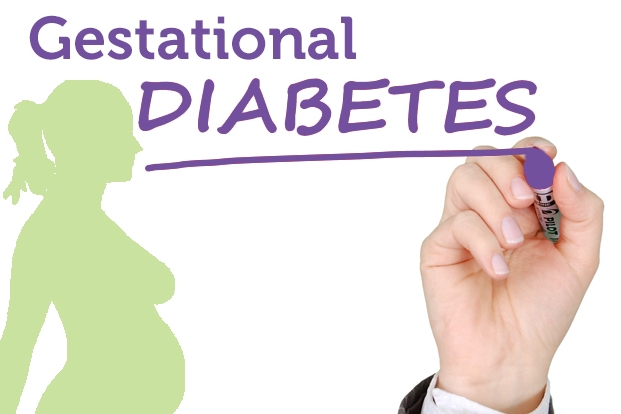
You may have a more serious danger of creating gestational diabetes on the off chance that you:
- Are obese when you get pregnant
- Have hypertension or any other medical difficulties
- Gave birth to a heavier (over 9 pounds) baby previously
- Gave birth to an infant who was stillborn or experiencing some birth defects
- Suffered gestational diabetes during past pregnancies
- Had someone in the family with diabetes
- Belong to certain ethnic origins, including Hispanic, African, Native American, Asian, or a Pacific Islander
- Have turned older than 30 years of age
In any case, half of ladies who develop gestational diabetes do not have risk factors.
Untreated, gestational diabetes can result in severe complications for your infant. For instance, children of untreated moms having gestational diabetes may become too big (known as macrosomia), raising the danger amid pregnancy, for example, some injury to the infant’s shoulders, arms & nerves in these parts. Having an huge infant may likewise raise your risk to require a cesarean section or some other help amidst delivery, (for example, forceps or a vacuum delivery). Your infant may likewise encounter a sudden drop in glucose post birth, needing treatment with a sugar solution to be given through some needle in the vein. Your infant may likewise be at a higher danger of developing jaundice. It is a condition that results in yellowing of skin and whites of our eyes) and breathing issues.
The danger of birth defects in babies whose moms suffer from gestational diabetes is quite low as most of the pregnant ladies develop gestational diabetes post the twentieth week of pregnancy, when the fetus has completely grown. The danger of birth abandons rises merely on the off chance that you had diabetes undiagnosed prior to pregnancy or on the off chance that you have high, uncontrolled levels of blood sugar amidst the initial six weeks to about two months of pregnancy.


 (1).webp)