
COVID-19 and Diabetic Care


While the COVID-19 pandemic can affect any healthy individual, studies say those with a history of chronic illnesses like diabetes, high blood pressure, chronic kidney disease, chronic liver disease and patients on immunosuppressive drugs are in a “high-risk” category for developing the infection and develop moderate to severe symptoms.
People with high blood sugar levels have impaired natural defences meant to protect the body against several infections and promote healing. Because of their weakened immune system, people with diabetes are more likely to develop infections and chronic risks than those without diabetes, prone to experience risky outcomes, infections, longer hospitalization and prolonged recovery time.
What should you do?
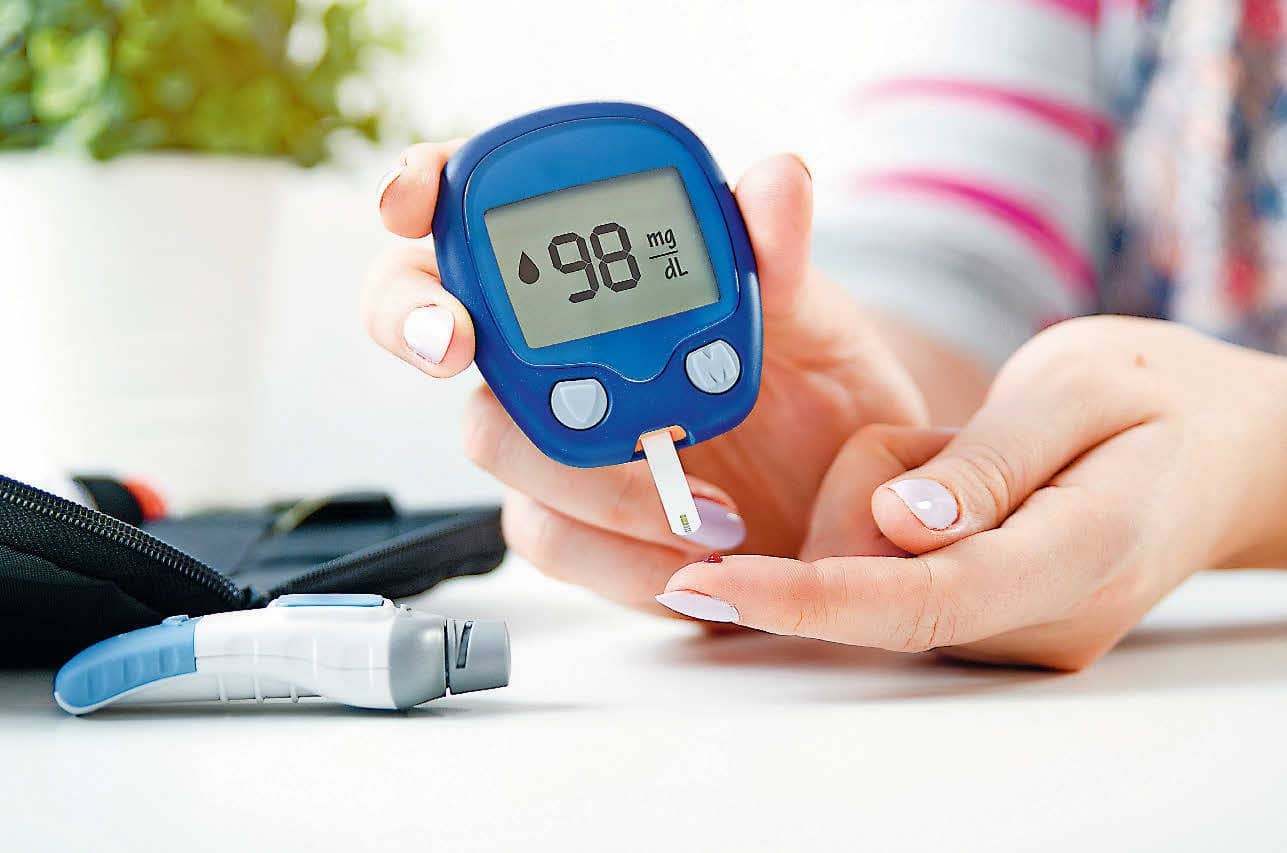
For diabetics and people suffering from chronic illness, social distancing is most important as they have to be extra stringent and avoid mass gatherings and crowded places. Diabetic patients must make sure to check blood sugar levels regularly and increase the frequency of checking in case of an active COVID-19 infection, since any infection can possibly flare up with high blood glucose levels.
At the same time, it is also important you do not miss out on any of your medicines or prescriptions and stock up on medicines for up to a month. If you suspect that you are suffering from any of the symptoms associated with COVID-19, make sure to tell the medical professional about your case history and the medications you are taking.
Since blood sugar levels can be brittle during this phase and impact immunity, make sure you drink plenty of fluids and prevent dehydration. It is also important that you take care of and avoid minor cuts and bleeds.
Foot hygiene, along with hand hygiene should not be ignored at this vulnerable time. Meticulous skin care can ensure that cuts and bleeds do not turn into major infections which impact blood flow.
Lastly, do not treat this as a time to ignore lifestyle modifications- sleep well, exercise well (even if at home) and eat right, all of which can help keep your immunity healthy. It is important to take care of the cause before it becomes a matter of concern.