
What are the symptoms of type 2 diabetes?


Type 2 diabetes is a progressive condition in which the body becomes resistant to the normal effects of insulin and/or gradually loses the capacity to produce enough insulin in the pancreas. Type 2 diabetes develops when the body becomes resistant to insulin or when the pancreas stops producing enough insulin. In type 2 diabetes a person’s pancreases don’t produce enough insulin. Insulin is used by the body to manage blood sugar levels in the blood and helps the body use glucose for energy. For some people, type 2 diabetes may be managed through diet and exercise.
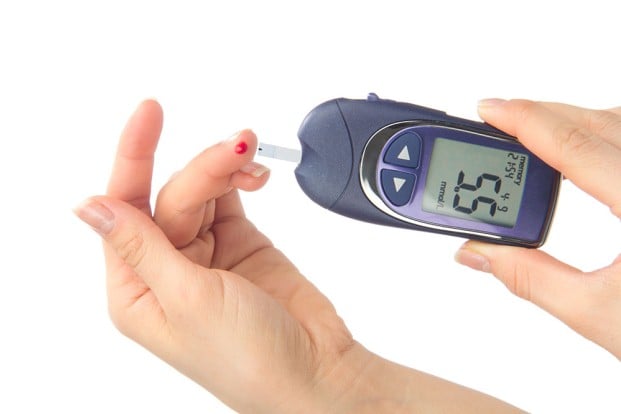
Type 2 Diabetes is found in 85% of the patients. The reason for the disorder is when the bidy tops producing enough insulin. The patient has to take insulin externally. Insulin treatment may be required at some stage but is not required in all patients. Type 2 diabetes is increasingly being diagnosed in children and adolescents today and it is a matter of concern for us all.
Symptoms Associated with Type 2 Diabetes:
If you or your loved one is facing any of the given signs and symptoms, it is best that you consult a doctor at the earliest. The best would also be to opt for a blood sugar test. Please ensure that the test should be in fasting. If the given symptoms are being experienced by you and if your blood sugar levels are high, consult a diabetes specialist at the earliest.
- Increased thirst and frequent urination: Excess sugar building up in your bloodstream causes fluid to be pulled from the tissues. This may leave you thirsty. As a result, you may drink — and urinate — more than usual.
- Slow-healing sores or frequent infections: Type 2 diabetes affects your ability to heal and resist infections.
- Areas of darkened skin: Some people with type 2 diabetes have patches of dark, velvety skin in the folds and creases of their bodies — usually in the armpits and neck. This condition, called acanthuses nigricans, may be a sign of insulin resistance.
- Increased hunger: Without enough insulin to move sugar into your cells, your muscles and organs become depleted of energy. This triggers intense hunger.
- Since your cells are deprived of sugar, you may become tired and irritable. You may feel that you lack energy and are don’t have the stamina to carry out your daily activities.
- Weight loss.Despite eating more than usual to relieve hunger, you may lose weight. Without the ability to metabolize glucose, the body uses alternative fuels stored in muscle and fat. Calories are lost as excess glucose is released in the urine.
- Dry mouth: Your mouth must be becoming dry and you may want to drink water a lot. This is co-related with the symptom of increased thirst.
- Blurred vision: Dual vision or unclear vision is a common complication of diabetes. In India the most important cause of blindness is diabetes. Such a complication is also termed as retinopathy.
- Headaches: Due to the increase in thirst and hunger, you may experience headaches. You may wish to rest a lot and rest.
- Loss of consciousness (rare)
- Recurrent infections, including thrush infections