
3 signs & symptoms of Iodine Deficiency


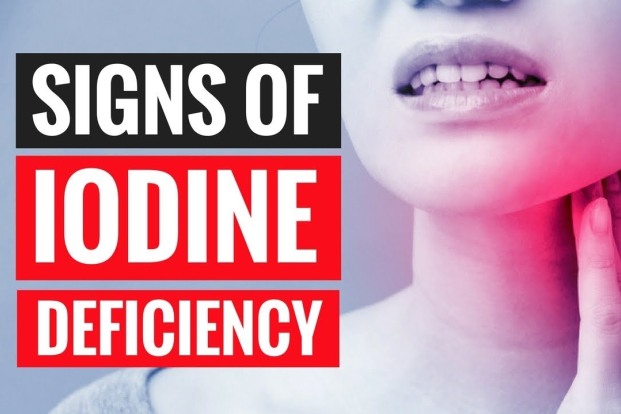
- Swelling in neck– Swelling in front side of neck is most common symptoms of iodine deficiency. It is known as goiter & takes place when thyroid gland becomes excessively big. Thyroid gland makes thyroid hormones after receiving signals from TSH or thyroid-stimulating hormone. When the blood level of TSH increase, thyroid gland uses iodine for making the thyroid hormones. But when our body becomes low in iodine, it cannot make them adequately. For compensation of this, thyroid gland works even harder while trying to produce more. This results in growth and multiplication of cells, finally resulting in a goiter. Fortunately, most of the cases could be cured by raising our intake of iodine. But if a goiter has not been cured for several years, it may lead to permanent damage of thyroid.
- Unexpected gain of weight– Unexpected gain of weight is another sign of iodine deficiency. It could take place if our body doesn’t have adequate iodine for making thyroid hormones. This is because the thyroid hormones assist in controlling the pace of our metabolism, which is a process due to which our body converts our food into heat & energy. When our thyroid hormone level is low, our body burns lesser calories at rest. This unfortunately means that more of the calories from our food we eat get stored in the form of fat.
- Weakness & fatigue– Weakness & fatigue are also the common symptoms of iodine deficiency. As per some studies, around 80% individuals having low levels of thyroid hormone, that take place in the cases of an iodine deficiency, get tired, weaker and sluggish. These symptoms take place due to thyroid hormones helping our body produce energy. When the thyroid hormone levels get low, our body is unable to produce adequate energy. This may make our energy level fall 7 leave us feeling weak. In fact as per a study over 2,455 individuals, found that weakness 7 fatigue were most common symptoms in those with slightly low or low levels of thyroid hormone.
Related Wellness Topic