
What Causes Obesity?


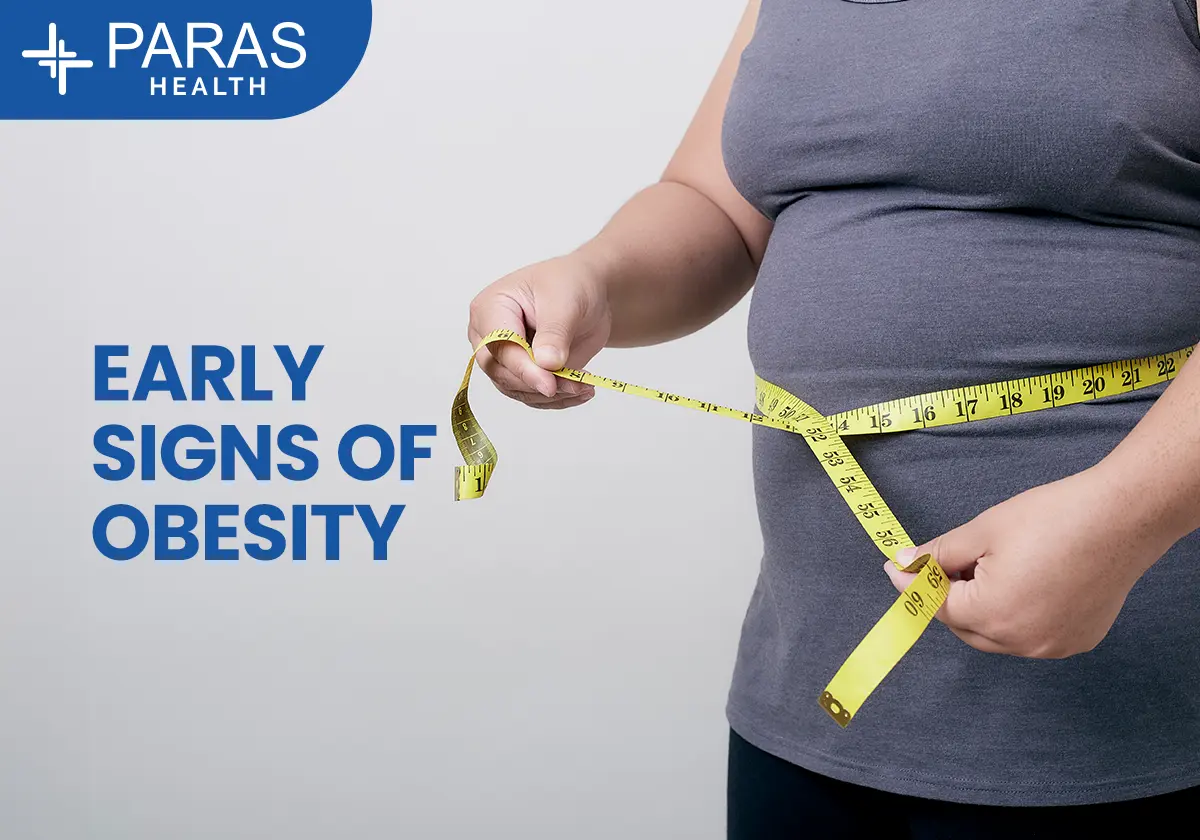
Obesity is a multifaceted health problem that is the result of complex interactions of genes, environment and lifestyle. Obesity is progressively increasing at the global level and has assumed epidemic proportions in adults as well as children. It is a serious concern for health professionals and if it goes unchecked can influence social fabric. Obesity is not only affected the physical appearances and attractiveness of a person, but it can have psychological consequences such as low self-esteem. It determines the morbidity pattern in the society because it is a cause of hypertension, cardiovascular diseases, diabetes and many mental health issues.
Genetic susceptibility:
A person is more likely to develop obesity if one or both parents are obese. Leptin deficiency is one of the major causes of obesity. Leptin is a hormone produced by fat cells and also in the placenta. Leptin controls weight by signaling the brain to eat less when body fat stores are too high.
Dietary habits:
- Overeating leads to weight gain, especially when the diet is high in fat and simple sugar such as butter, ghee, fried foods, junk foods, processed foods, rich baked snacks, excess sugar or sweets, etc.
- The attended marriage ceremony, birthday and other parties to maintain social relationship also contribute to consuming excess calories.
- There are certain eating habits which may lead people to obesity, e.g. those who eat food at a very fast rate tend to chew food less and land up eating more foods.
- Mothers generally eat leftover of children because they want to avoid wastage of food, adding on more calories to their own calorie intake.
Physical activity:
- A sedentary lifestyle with lack of exercise tends to lead obese.
- There is more use of automated transport for daily travel
- People prefer to use lifts and escalators instead of using stairs.
- Excessive television viewing uses of a computer, internet surfing, etc.
- Lack of interest and time to participate in the outdoor games.
Psychological Factors:
Obesity is associated with psychological problems. Many people eat excessively in response to emotions such as boredom, sadness or anger. Many individuals seek comfort and indulge in eating high fat and high sugar foods that cause obesity.
Hormonal imbalance:
Certain diseases associated with secretion of hormones, e.g. hypothyroidism, hypogonadism, and Cushing’s syndrome exhibit obesity as one of the characteristic features.
Birth weight and childhood growth pattern:
It has been shown that slow growth of the fetus in utero and during infancy is followed by accelerated weight gain in childhood. This combination of small size at birth and accelerated childhood weight gain has been found to be associated with exaggeration of adiposity as well as insulin resistance in later life.