
What are the Nutritional needs of a Human?


Nutrition is the science that interprets the interaction of nutrients and other substances in food for maintenance, growth, reproduction, health and to fight against diseases. It includes food intake, absorption, assimilation, biosynthesis, catabolism, and excretion.
Eating a balanced diet is vital for good health and well being. Foods provide our bodies with energy, protein, essential fatty acids, vitamins and minerals to live, grow and function properly. We need a wide variety of different foods to provide the right amount of nutrients for good health. Our body needs nutrition that we get from foods. Foods are essential for our body to:-
- Develop, replace and repair cells and tissues.
- Produce energy to keep warm, move and work.
- Carry out chemical processes such as the digestion of food.
- Protect organs, resist and fight infection and recover from sickness.
Nutrients that the body needs:
The human body requires six major nutrients including water. These nutrients are:-
- Carbohydrates: – It includes monosaccharide’s (glucose, fructose, galactose), disaccharides and polysaccharides (starch). Nutritionally polysaccharides are complex carbohydrates that take longer to breakdown and be absorbed into the blood stream that means they do not cause major increase in blood sugar levels, which are linked to heart and vascular diseases. It is a major source of energy.
- Proteins: – It is made up of amino acids. There are 20 amino acids (including essential and non essential) that is responsible for maintenance and repairing of body tissues.
- Fats: – It is also a major source of energy in our body. Fats are required in the diet to maintain good health as they serve many functions including lubricating joints, helping organs produce hormones, assisting in absorption of certain vitamins, reducing inflammation and preserving brain health.
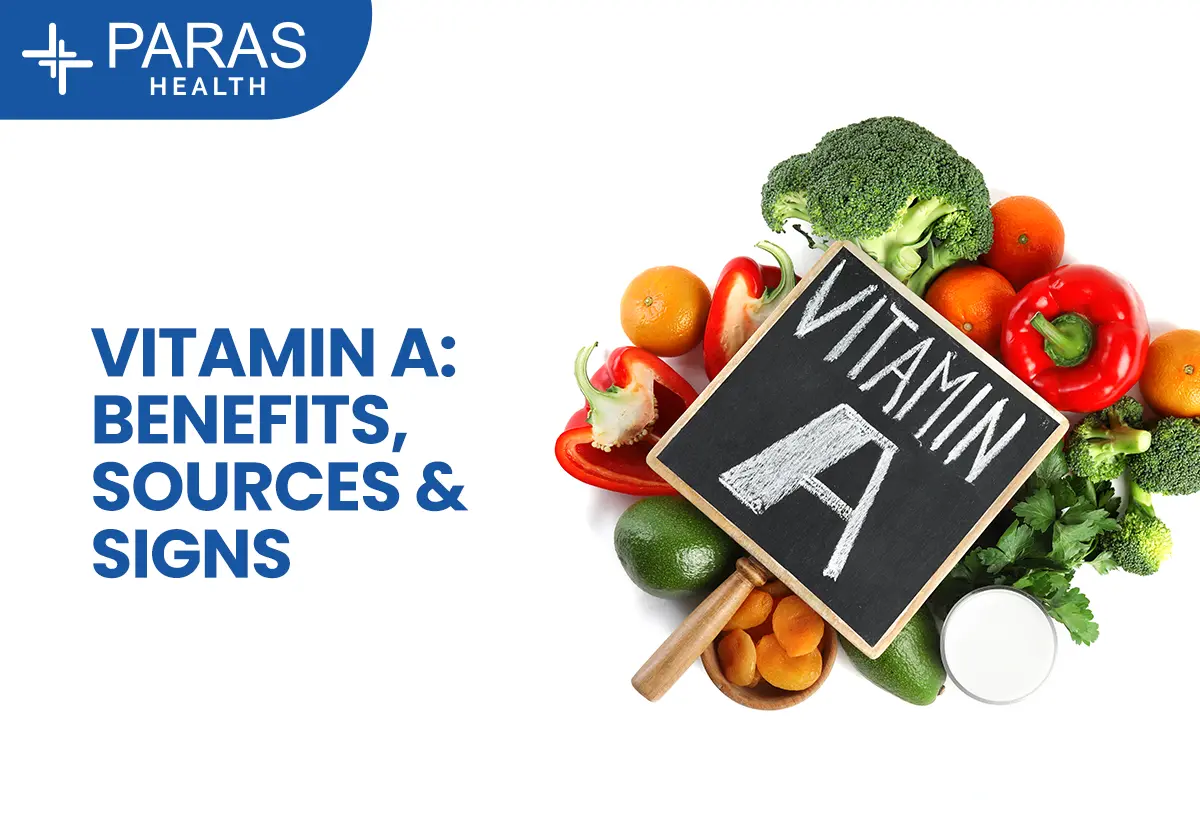
- Vitamins: – These are organic compounds that are required in tiny amounts. Vitamins are classified as water soluble (Vitamin B complex and vitamin C) and Fat soluble (Vitamin A, D, E & K). All vitamins have different kinds of functions in our body. Deficiency or excess of vitamins in our daily diet may give negative impact in our body.
- Minerals: – Different minerals have different role in our body. All minerals are very important for our body (especially calcium, phosphorus, Iodine, Iron, Sodium, potassium, zinc, selenium, etc) to regulate day to day function.
- Water: – About 70 % of the non fat mass of the human body is water. It is vital for many processes. The requirements of water is very closely linked to body size, age, environmental temperatures, physical activity, different states of health and dietary habits.
Save