
What are the essential Nutrients?


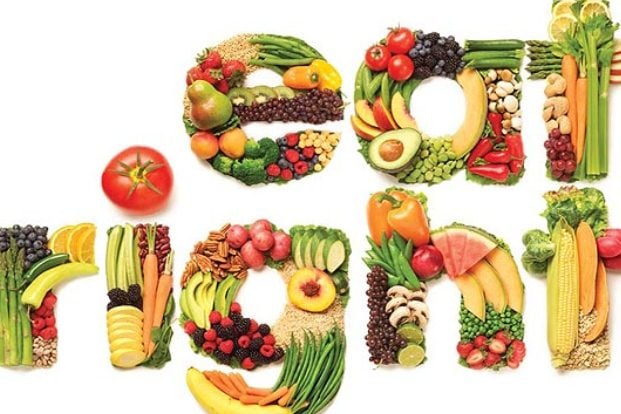
Your body is complex and is dependent on the food for nutrients and minerals. You need to be aware of the types of items to include so that your diet is balanced and rich in the important nutrients. If the body doesn’t receive the requisite nutrients, vitamins, and minerals it can start to develop hormonal imbalances, deficiencies, and abnormalities. Read the list below to be aware of the essential nutrients that you need.
- Carbohydrates
They are categorized into 2 forms: Simple & Complex. Simple carbohydrate is sugar whereas the complex one comprises of starch along with dietary fiber. Carbohydrates are a source of 4 kcal calories per gram which is energy used first for fueling our muscles and brain. Solublfiberses like fruits, nuts, legumes, seeds, oats and barley lower our blood cholesterol and assists in controlling levels of blood sugar while releasing very little energy. Insoluble fibres like corn bran, wheat, cereals, whole-grain bread, nuts, fruit skins and vegetables do not provide calories at all. It assists in alleviating digestive disorders such as constipation and helps in prevention of colon cancer. Most calories i.e. 55% – 60% shall be derived from carbohydrates. Sources of carbohydrates comprise of grain products like bread, pasta, cereals, rice, vegetables and fruits.
- Protein
Protein in food is fragmented into amino acid by our digestive system. Then the amino acids are used to build and repair muscles, hair, red blood cells and other tissues and also for making hormones. Adequate intake of protein is vital for healthy immune system. As protein is source of calories (4 kcal/gram), it would be used for energy when enough carbohydrate is not available because of skipping meals and hefty exercise, etc. The major sources of protein are animal products such as meat, poultry, fish, cheese, milk, eggs, and the vegetables like legumes (lentils, beans, nuts, dried peas).
- Fat
Fats in our food comprises of mixture of unsaturated and saturated fat. Animal based food like meat & milk products hve higher saturated fat whereas many vegetable oils have higher unsaturated fat. In comparison with protein and carbohydrate, every gram of fat is the source of double calories (i.e. 9 kcal/gram). However, dietary fats do not play important role for a healthy diet. Fat maintains hair and skin, cushions the vital organs, gives insulation and is important for production and absorption of some vitamins & hormones.
- Vitamins
Vitamins assist in regulating chemical reactions in our body. There are 13 forms of vitamins including the Vitamins A, B Complex, C, D, E, & K. As most of the vitamins can’t be produced in our body, we must derive them from our diet. Many individuals feel energetic after having consumed some vitamins, however, vitamins are not the source of calories or energy. The best way to consume vitamins is through varied diets rather than supplements as there exists little chance of consuming a very high dose.
- Minerals
Minerals are food components involved in many functions of body i.e. Magnesium and calcium are important for bone structure and iron is required for red blood cells for transporting oxygen. Minerals are also not a source of energy like vitamins and are best derived from varied diets as compared to supplements.
- Water
Water is most vital nutrient for good health. Most of the human body weight is made of water i.e. 60% to 70%. It helps in controlling the temperature of our body, carries nutrients and also the waste products from cells and is required for functioning of our cells. Adults are recommended to drink 8 glasses of fluid daily (more in hot weather). The fluid doesn’t have to be water by itself. It can also be derived from milk, juice, soup, vegetables and fruits. Beverages containing caffeine such as tea, coffee or cola do not count as caffeine is diuretic (makes us loose water). The very important advantage with water over other fluids is that it hydrates the body while adding no extra calories.
Save