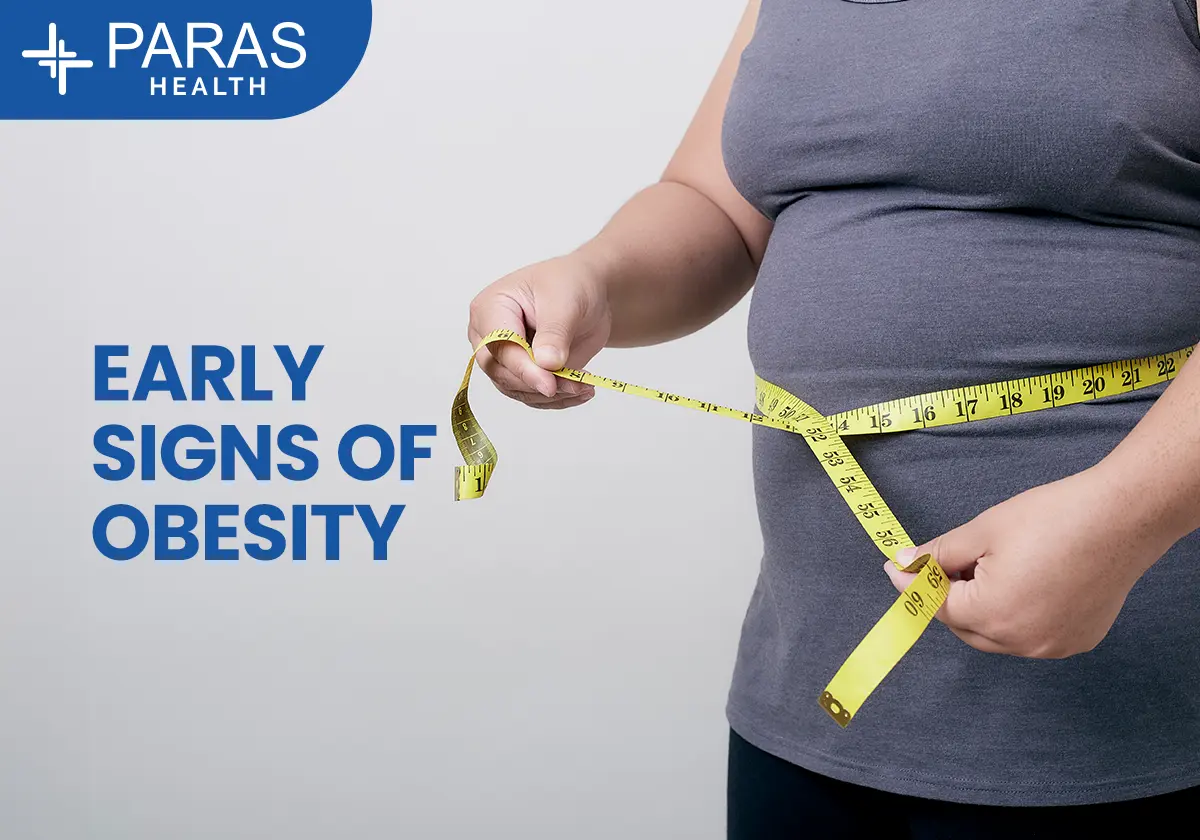

What are the causes of obesity?


Obesity is a major issue that our country is facing. Recent statistics highlight that more than 5% of the population by 2020 shall be suffering from chronic and morbid obesity. Obesity is a root cause of numerous health ailments and can affect the metabolism, hormone levels and the organ functions of the body in numerous ways. When it is co-associated with other health issues, the complications can catapult in a major way. Hence it is important for each one of us to know about the causes of obesity so that we can take steps to prevent the same.

- Genetics: An individual is likely to have obesity if one or both parents are obese. Genetics also have an impact on hormones which are involved in regulation of fat. For example, one genetic reason for obesity is a deficiency of leptin. Leptin is a hormone which is made in fat cells and also in the placenta. Leptin controls weight as it signals brain for eating less if body fat stores are very high. If the body does not make adequate leptin or the leptin is unable to signal brain for eating less, such control is lost and then obesity takes place.
- Overeating: This results in weight gain, mainly if diet has too much fat. Food which is high in sugar or fat such as fast food, sweets, fried stuff contains the high density of energy. Diet which has high amount of fats contribute to weight gain
- Diet high in simple carbohydrates: The role of carbohydrates is not clear in the context of weight gain. Carbohydrates raise the levels of blood glucose, which stimulate the release of insulin by pancreas & insulin promotes the growth of fat tissues & can lead to weight gain. As per some scientists, simple carbohydrates such as fructose, sugars, soft drinks, desserts, wine , beer, etc lead to weight gain as they very rapidly absorb into the bloodstream than the complex carbohydrates like grains, brown rice, raw fruits, vegetables, etc and hence lead to a more pronounced release of insulin post meals than the complex carbohydrates. This higher release of insulin leads to weight gain as per some scientists.
- Eating frequency: The bond between eating frequency and weight is controversial. As per several reports, it was found that people eating small meals 4 or 5 times every day have lower levels of cholesterol and more stable or lower levels of blood sugar than the ones who take food less frequently like 2 or 3 meals a day. This could be due to the fact that meals with small frequency make stable levels of insulin whereas, larger meals lead to the bulk of insulin post meals.
- Physical activity: Active people burn more calories than the ones who have a sedentary lifestyle. Physical activity is strongly linked to weight gain.
Related Wellness Topic