
Planning a healthy diet for weight loss


The dietary modifications are an important part for weight loss. The daily diet plan should have an energy deficit of 500kcal to 1000kcal. It is important to ensure that your diet is balanced and includes all the rich nutrients that your boy needs. Moreover, simple diet practices can help in reducing the weight. Follow the dietary principles listed below.
Dietary Principles for Weight Loss:
The following dietary principle must be considered while planning a diet for weight reduction:-
- Energy: – Total energy intake is the key factor for weight management, which will determine the outcome of dietary management for obese individuals. The energy requirements can be determined on the basis of ideal body weight. It is safe to use moderate deficit diets providing 1200kcal to 1400kcals per day. Low calorie and very low-calorie diet must be used under strict supervision of medical professionals.
- Carbohydrates: – About 60 to 65% of total calories come from carbohydrates. Carbohydrates in the form of non- starch polysaccharides such as whole grain cereals (e.g. whole wheat flour, Daliya, Oatmeal, parboiled rice, etc), Whole grain pulses or legumes (e.g. sprouted green- gram, or red gram, Peas, etc), green vegetables, fruits (preferably raw with their edible peels), etc provides sufficient quantity of fibre that helps to maintain satiety level and control appetite.
- Proteins: – Adequate amount of proteins should be included in the diet to ensure proper metabolism and prevent weakness. About 1gm to 1.5gms protein per kg body weight is recommended for obese. Protein-rich foods such as egg (white), lean fish or chicken, soybeans, kidney beans (rajma) and other pulses or legumes, etc, provide a higher satiety level as compared to those rich in carbohydrates (other than non- starch polysaccharides). Proteins also have a high specific dynamic action which implies that their ingestion produces a greater increase in metabolism than ingestion of carbohydrates or fats.
- Fats: – About 20% of total calories should come from fats. Foods rich in saturated fatty acids and Tran’s fat such as red meat, whole milk, ghee, butter, vanaspati ghee, etc should be strictly avoided. Fats in the form of vegetable oils (rich in MUFA’s and PUFA) are recommended to provide sufficient essential fatty acids that help to prevent coronary artery disease.
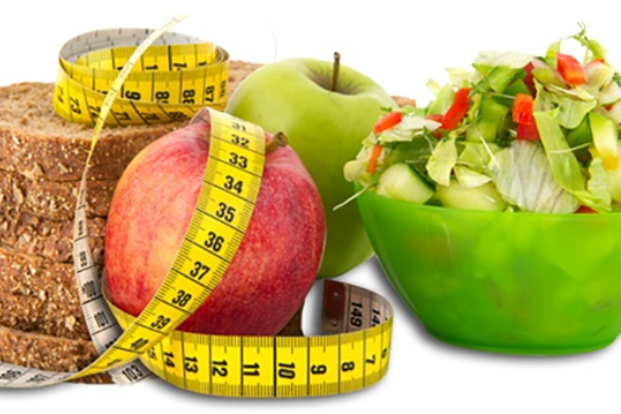
- Vitamins and Minerals: – Adequate amount of fresh fruits and vegetables are included in the diet to maintain vitamins and minerals requirement. A diet high in sodium may promote retention of fluid in the body. Moderate restriction of common salt may be helpful in weight reduction.
- Fluid: – Liberal amounts of water and zero/low-calorie fluids (e.g. soup, lemon water, dal water, rice water, whey water, etc) may be included in the diet to maintain multivitamins and minerals requirements as well as maintain satiety level. It may be helpful to have a plenty of salad and a glass of water just before a meal to reduce food intake.
Adding a spoon of guar-gum/pectin/Xanthium gum or finely ground husk/ brand of cereals and pulses in a glass of water before meals as it gives a feeling of satiety.
Related Wellness Topic