
Obesity and Diet


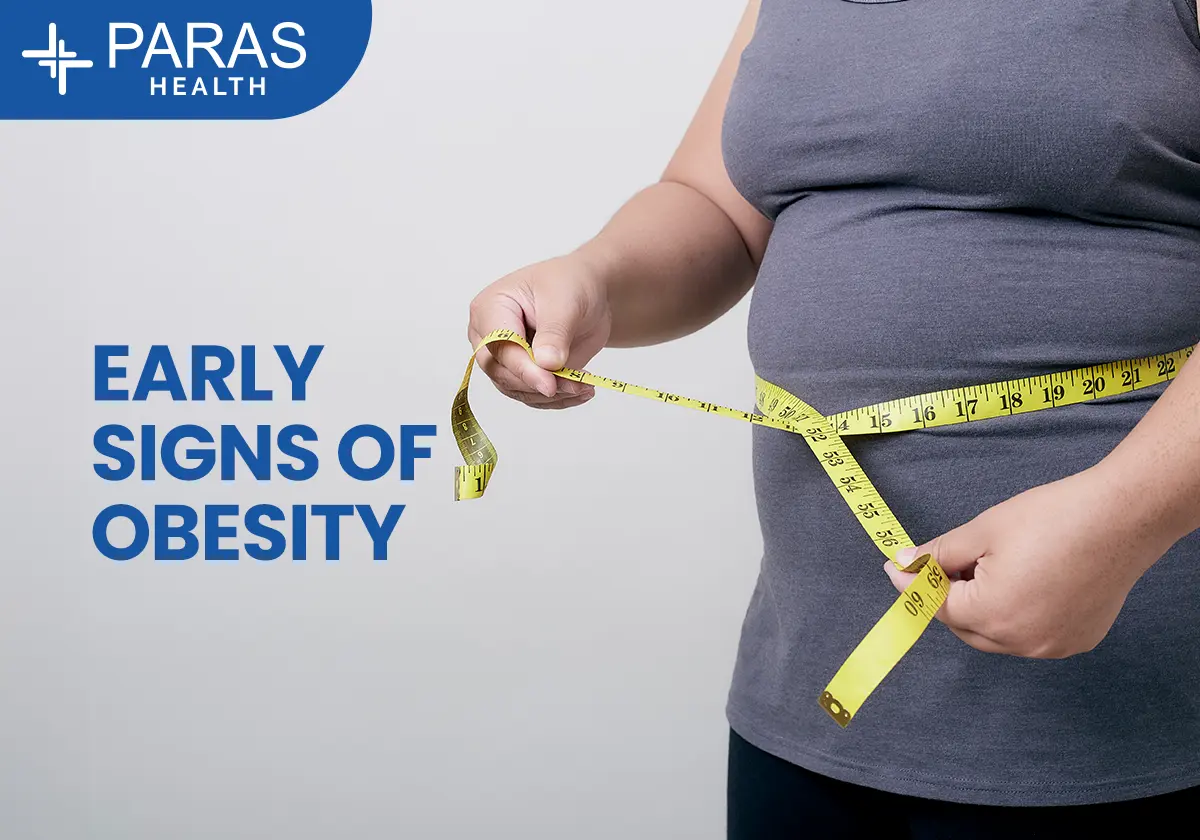
Obesity is a condition resulting from accumulation of excess body fat. The fat deposition takes place because over a period of time, people consume foods which provide much more energy than they are able to expend for their metabolism, physical activity and growth. It drastically changes body composition, body shape and nutritional and health outcome.
Obesity is a multifaceted health problem that is the result of complex interactions of genes, environment and life style. It determines the morbidity pattern in the society because it is a cause of hypertension, cardiovascular diseases, diabetes and many mental health issues.
Factors affecting obesity:-
- Eating pattern
- Eating habits
- Promotion of eating
- Reduced physical activities
- Genetic susceptibility
- Psychological factors
Consequences of obesity:-
- Risk of morbidity or mortality
- Diabetes Mellitus
- Cardiovascular Disease
- Gall Bladder stone
- Arthritis and Gout
- Infertility
- Obstructive sleep apnoea
- Psychological problem
- Cancer

Dietary Management:-
- Energy requirements can be determined on the basis of ideal body weight. 20 to 25 kcal/kg ideal body weight per day is recommended for obese sedentary worker.
- Add carbohydrates in the form of complex carbohydrates & non starch poly saccharides, approx 60% of total calorie with daily diet. Include whole grain cereals, whole pulses, high fibre vegetables and fruits in regular diet.
- Adequate amount of proteins should be included in the diet to ensure proper metabolism and prevent weakness. Plant protein e.g. soybeans, rajmah, whole pulses or legumes is preferable than animal protein because it contains more fibre, less fat and cholesterol. Egg white, double toned milk, butter milk, etc may be preferred as animal protein.
- Fat should be restricted about 20% of total calorie in the diet. It should be in the form of vegetables oil (rich in MUFA & PUFA). Foods rich in saturated fatty acids such as red meats, whole milk and its products should be strictly avoided.
- Eat adequate amount of fresh fruits, green vegetables, leafy vegetables, salad, etc to fulfill the requirements of vitamins and minerals. Restriction of salt is helpful in weight reduction.
- Liberal amounts of water and low calorie fluids e.g. soup, lemon water, Pulses water, etc may be included in the diet. It is helpful to take a glass of water just before meal to reduce food intake.
General guidelines:-
- Consume well balance diet with adequate intake of proteins and micronutrients.
- Include whole grains foods, fresh fruits and vegetables for fibre, which provide fullness and limit excessive eating.
- Restrict consumption of junk foods, processed foods and fast foods.
- Avoid eating very sweet, salty or oily foods, especially at night.
- Use skimmed milk and butter milk instead of whole milk or curd.
- Sleeping during day time should be avoided.
- Regular exercise for 30-45 minutes.
Related Wellness Topic