
Nutrition Before and After Surgery


It is believed by people that fasting before surgery is a good step. However, what one eats before going into surgery may later prove beneficial during recovering and even speed up the process.
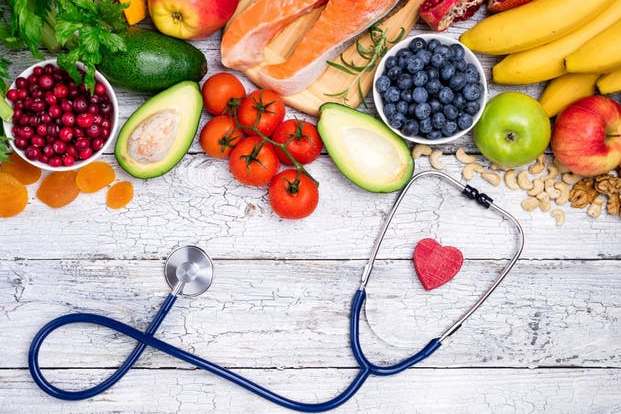
Your pre-surgery diet should include as many nutrients in your “bank account” as possible before surgery:
- Eat enough protein. At least 1 – 2 weeks before surgery, make sure to eat enough protein every day. Protein needs are based on the amount of muscle that you have, but research has shown that 65 – 100 grams per day are proving to be optimal. Protein provides building blocks for our muscles, bones, and our immune system. You want to be as strong as possible going into surgery.
- Stock up on fruit and vegetables. Include fruit and vegetables at most meals and snacks. More specifically, greens. Greens are great for your skin and repair muscles, bones, and cartilage because they contain loads of vitamins and minerals including vitamins C, K and magnesium.
- Include whole grains. Be sure to include good sources of whole grains to give your body all the B vitamins it needs to combat stress.
- Eat less of these. Consider reducing or eliminating additional sugars, caffeine, and alcohol from your diet. These create more stress on the body and actually remove nutrients from the body to metabolize properly.
Post-op nutrition goals make it possible for a speedier recovery and help you return to doing the things you love as soon as possible. Maintaining a proper post-op diet is essential.
Some people lose their appetite after surgery and while taking pain medications. However, surgery increases the body’s need for calories, and you need more calories to heal.
- Eat smaller meals more often if your appetite has decreased.
- Include fiber. Add fiber at each meal and snack from fruits, vegetables, cooked beans, and whole grains. Fiber helps maintain normal bowel movements.
- Eat enough protein. Have protein at each meal for your muscles and bones. It is found in meat, fish, eggs, poultry, nuts, dairy products, soy products, and cooked dried beans.
- Calcium is an important component of bone. Drink milk or calcium-fortified juices, and eat yogurt or cheese. Your doctor may recommend a calcium pill and vitamin D if you don’t get enough from your food.
- Vitamin C helps the body heal wounds and form bone. Get vitamin C from citrus fruits, green and red peppers, collard greens, broccoli, spinach, strawberries, tomatoes, and potatoes.
- Remember to drink plenty of water. To avoid constipation, drink at least six to eight cups of fluid a day.
Related Wellness Topic