
13 Recommendations to Prevent Obesity


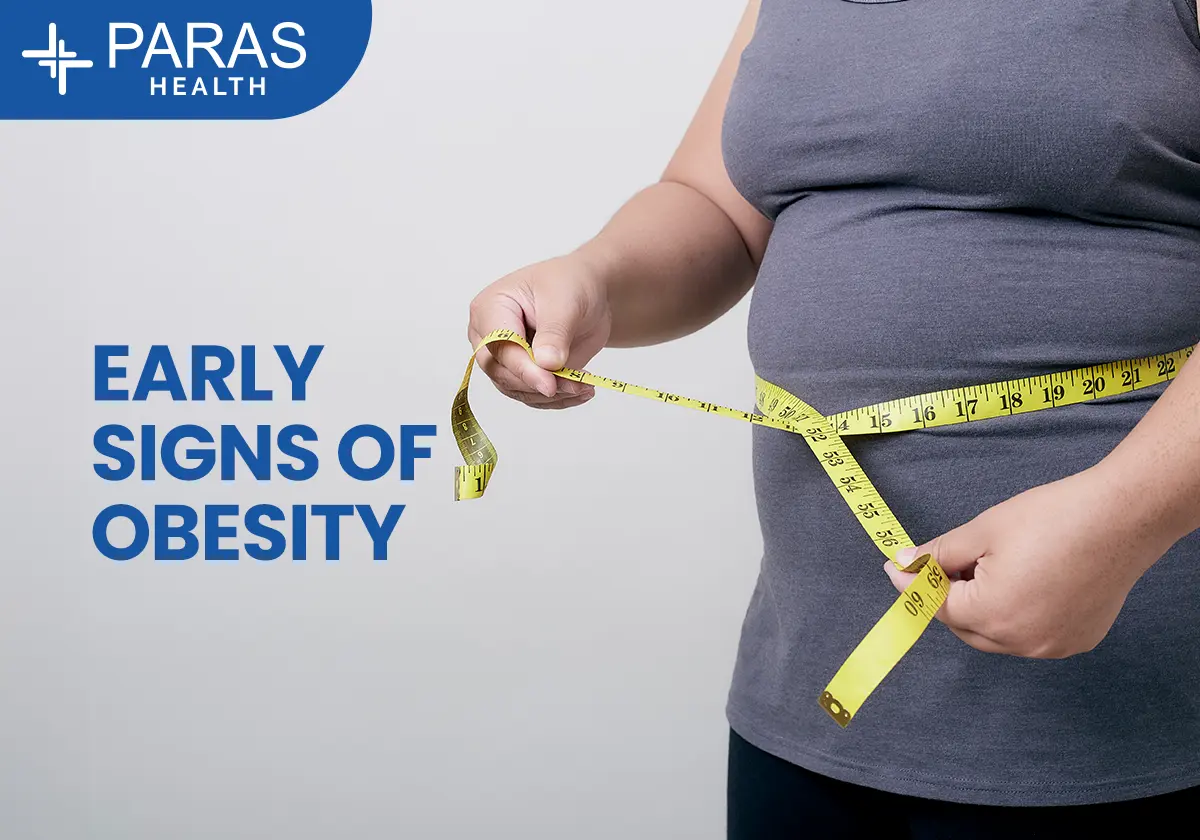
Overweight and obesity is classified by calculating the BMI (Body Mass Index) for an individual. BMI is measured by dividing a person’s weight by their height squared meters. For all asian adult, being overweight is with a BMI of 23- 27.5kg/m2 and being obese is with a BMI score of 27.5 kg/m2 and above. To prevent obesity and maintain a healthy weight, eat a well balanced diet and exercise regularly. Following are few recommendations to ensure that you are fit and healthy.
13 Recommendations to be fit and prevent obesity:
- Avoid the energy density – Avoid foods that are high in energy density or in other words high in calories. Such as cheese burgers and large fries, processed foods.
- Avoid excess of sugar in diet – It metabolizes quickly giving you an instant boost of energy but leaving you drained even quicker. Such as aerated drinks, cakes, pastries. Sweetened drinks containing either sucrose alone or in combination with fructose appear to lead to weight gain due to increase energy intake.
- Avoid refined grains, chose whole grains instead – Eat whole wheat, oats quinoa, brown rice.
- Add all colorful vegetables in your diet – Use sweet potatoes, tapioca sparingly.
- Whole fruits are preferred over fruit juices – Not only they are high in fiber but also have better satiety value. Eat five to six servings of fruits and vegetables daily.
- Go nuts with nuts – Nuts make an important portion for protective foods and should be included in our daily diet to meet micronutrient requirements.
- Avoid fried foods – Use of excess butter in diet. Opt for plant based oils for cooking.
- Avoid starving – The key is to eat frequently but to control portion sizes, and to eat right food. By eating regularly you keep up your metabolism and also help you avoid over eating.
- Avoid red meat – Avoid fried or baked red meat in your diet. Lean meat is preferred over red meat. Chicken, fish and eggs are good options!
- Eat salads – It’s always best to start with salads first in your meal followed by a source of protein to achieve the satiety and then carbs. This will help you feel full quicker and also help you keep a close check on portion sizes.
- Sleep well – Sleep adequately or else you will be grumpy next day and looking for comfort foods!! It is best to have maximum of 7-8 hours of sound sleep in a day.
- Check your food intake – Balance the food in your checkbook. If you are eating more than you burn for energy, it will lead to weight gain.
- Work out/ exercise – Accumulate at least 30 minutes of moderate- intensity activity on all days of the week. Example walking, swimming, jogging etc. make opportunities during the day for even just 10 or 15 minutes of some calorie- burning activity such as walking to office from car park or metro station, a few flights of stairs at work.
Related Wellness Topic