
Chat with us on WhatsApp

What is hyperpigmentation?

what is refime what is refime
Book Appointment
in Dermatology & Cosmetology

Apr 19, 2022

Hyperpigmentation is due to the presence of excessive melanin in the skin cells, reasons can be many. Sometimes, spots can take a decade or two to show up so if you’ve got hyperpigmentation making an appearance now the damage may actually have come from your childhood or teen years. Hyperpigmentation is a broad term.
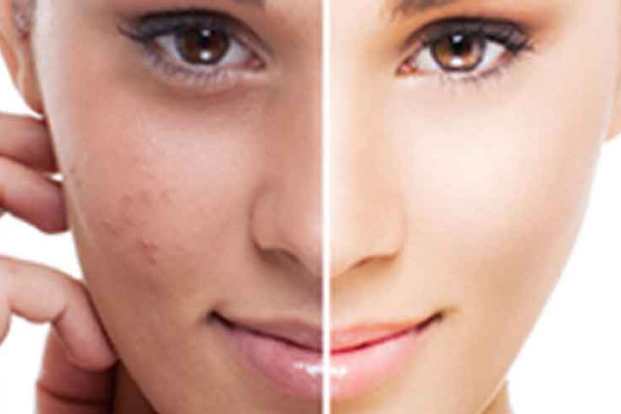
Skin discoloration caused by acne blemishes, freckles into sunspots, or darkening of the skin due to conditions such as psoriasis and eczema all come under hyperpigmentation. Several women have pigmentation on their skin, especially in their 30s. This happens because of excess melanin production. But sometimes, the melanin production goes up and the skin ends up with uneven dark patches. Laser treatment is one of the most advanced treatments for removing unwanted pigmentation on the skin such as age spots, sun spots and freckles. Laser resurfacing is the skin pigmentation treatment of choice which can remove up to 80% of melanin:
• Post inflammatory hyperpigmentation
• Erythema due to prolonged heat exposure, for instance, usage of laptop placed on the thighs or lap when constantly using a laptop computer, or when a hot water pad or bottle is applied over a long duration of time to some part of the body
• Melasma – darkening of skin over the forehead and cheeks. Can happen during pregnancy or when using oral contraceptives
• Becker’s nevus
• Induced by medications like as minocycline, imipramine or amiodarone
• Endocrine disease like as Addison’s disease
• Accumulation of iron in the body, known as hemochromatosis or ‘bronze diabetes’, linked with skin darkening in 9 of 10 patients. Due to melanocyte stimulation by metals.
• Tanning due to ultraviolet or sunlight exposure
• Other conditions like as age spots, acanthosis nigricans and lentigines also cause darkening of the skin in specific places
Book Appointment

Recent Blogs

When summer hits, skin problems are not far behind. One of the most common issues people experience in hot and humid weather is heat rash, also known as prickly heat or miliaria. If you’ve ever felt small itchy bumps, burning skin, or irritation after sweating a lot, chances are you’ve had a heat rash.
Continue Reading
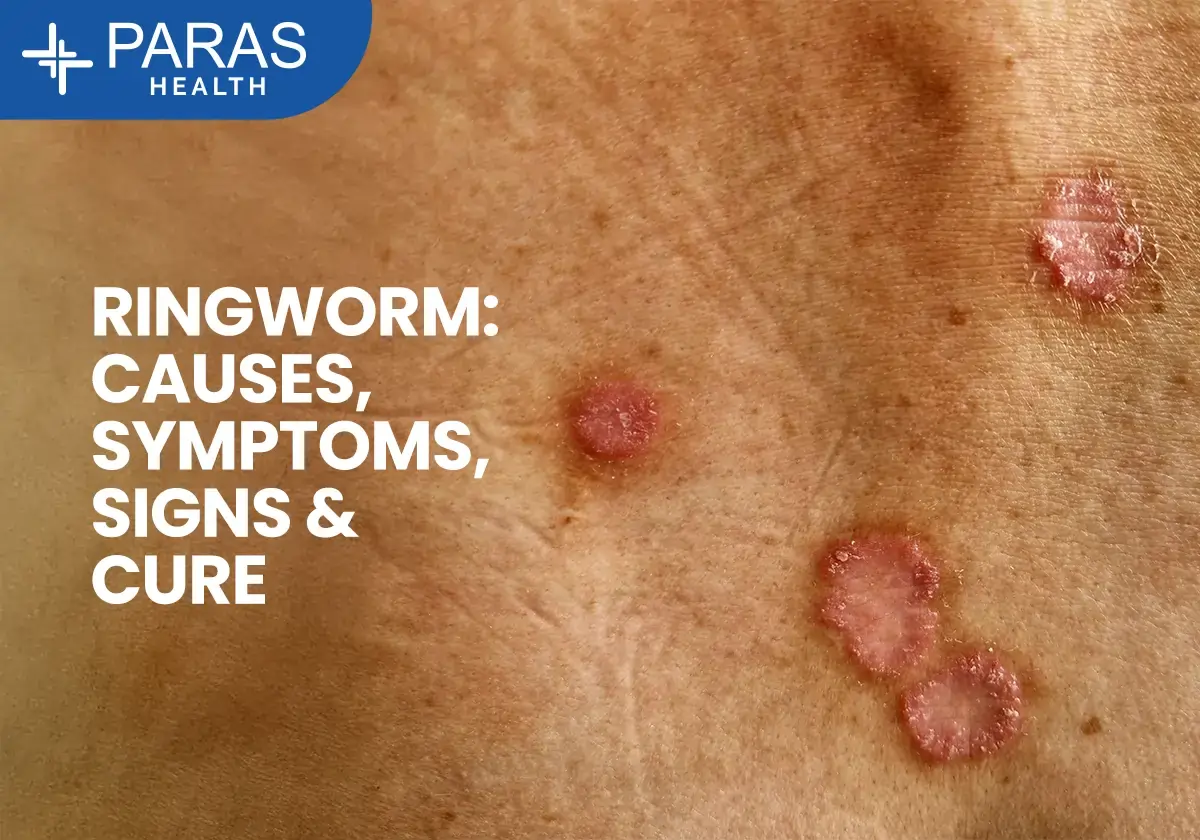
Ringworm infection is one of the most common fungal infections of the skin, yet it often creates confusion because of its name. Despite being called “ringworm,” it has nothing to do with worms. Instead, it’s caused by a group of fungi that thrive on the skin, scalp, and nails.
Continue Reading
Skin is the biggest organ of our body, acting as a shield against infections, allergens, and environmental irritants. Just like any organ, it can develop health problems ranging from pesky rashes to life-changing chronic diseases.
Continue Reading
When you look in the mirror and see tiny holes or uneven texture on your skin, you’re most likely noticing open pores. While everyone has pores (they allow sweat and oil to reach the skin’s surface), in some people they appear larger and more visible.
Continue Reading
Our skin is the body's largest organ and serves as a crucial barrier against harmful microorganisms. However, despite its protective function, the skin is still susceptible to various infections.
Continue Reading
As the warm summer months approach, it's crucial to adjust your skincare routine to address the unique challenges that come with hot and humid weather.
Continue Reading
As the temperature rises and the sun shines brighter, the summer season brings along not only fun outdoor activities but also some common skin diseases that can dampen our spirits. From sunburns to heat rashes, the hot and humid weather can wreak havoc on our skin if not properly cared for.
Continue Reading
Request A Call Back
Didn't Find What You Were Looking For

Get a call back from our Health Advisor