
Vitiligo - Symptoms and Causes


Vitiligo is caused by a loss of pigment in the skin, due to destruction of pigment-forming cells called as melanocytes. Although vitiligo affects all races equally, it is more noticeable in dark-skinned people. It is hard to predict whether the patches will spread, and by how much. The spread might take weeks, or the patches might remain stable for months or years.
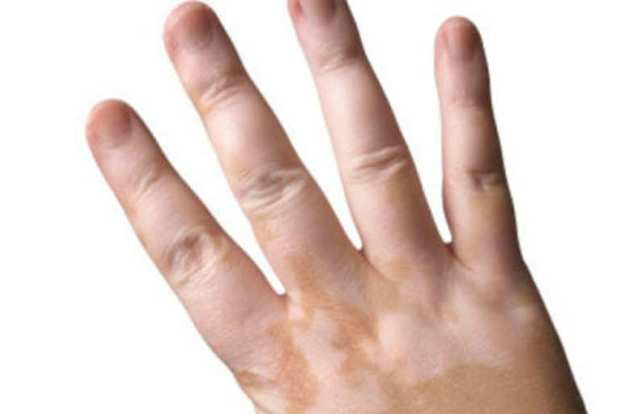
Symptoms of Vitiligo are follows:-
The only symptom of vitiligo is the appearance of flat white spots or patches on the skin. The first white spot that becomes noticeable is often in an area that tends to be exposed to the sun.It starts as a simple spot, a small paler than the rest of the skin, but as time passes, this spot becomes paler until it turns white. The patches are irregular in shape. At times, the edges can become a little inflamed with a slight red tone, sometimes resulting in itchiness.Basically however, it does not cause any discomfort, irritation, soreness, or dryness in the skin.The effects of vitiligo vary between people. Few people may have only a handful of white dots that develop no further, while others develop larger white patches that join together and affect larger areas of skin.
There are two types of vitiligo, non-segmental and segmental.
If the first white patches are symmetrical, this recommended a type of vitiligo called as non-segmental vitiligo. The development will be slower than if the patches are in only one area of the body. Non-segmental vitiligo is the most common type, accounting for up to 90 % of cases.
Segmental vitiligo spreads more rapidly but is considered more constant and stable and less erratic than the non-segmental type. It is much less common and affects only about 10 percent of people with vitiligo. It is non-symetrical.
It is more noticeable in initial age groups, affecting about 30 % of children diagnosed with vitiligo.
Causes- Vitiligo occurs when pigment-producing cells die or stop producing melanin the pigment that gives your skin, hair and eyes color. The involved patches of skin become lighter or white. Doctors don’t know why the cells fail or die. It may be linked to:
- A disorder in which your immune system attacks and destroys the melanocytes in the skin
- Family background
- A trigger event, like as sunburn, stress or exposure to industrial chemicals