

Vitiligo diet – What is it and how does it help treat Vitiligo?


Vitiligo is a skin condition in which certain part of the body lose pigments and turn white. You may have heard a lot about the vitiligo diet. However, there is no suggested diet for vitiligo that is supported by any concrete scientific data. Skin specialists suggested recommend a healthy diet for boosting the immune system. It is believed that vitiligo is an autoimmune disease, and a strong immune system can prevent the spread of the depigmentation.
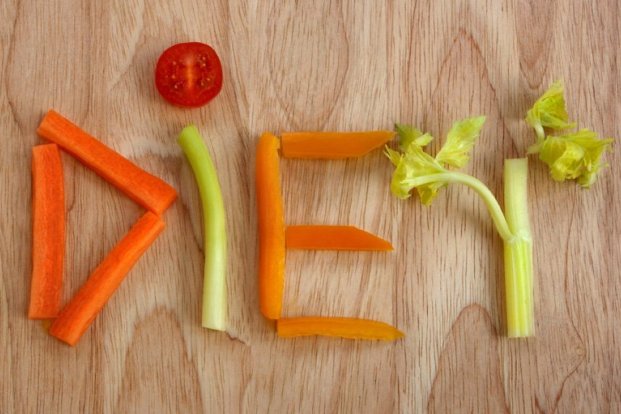
Foods To Eat
Fruits – Fig, apricot, and ripe mango.
Vegetables – Consume a plant centric diet comprising of spinach, beetroot, carrot, potato, cabbage, radish, cauliflower, red chili, bitter gourd, and green beans. Make sure a major bulk of your diet consists of these vegetables, as long as you do not find it difficult to digest them.
Protein – In case you yearn for animal products, opt for chicken breast, lean cuts of turkey, wild fish, and organic eggs. It is good to cook them lightly. For vegans, stick to kidney beans, chickpeas, mushroom, and lentils.
Dairy – Dairy products can be consumed. However, depending on the level of the condition, some patients are advised to completely avoid dairy products.
Whole Grains – Oats, brown rice, white rice, couscous, quinoa, and corn.
Supplements – You may have vitamin B12, protein, calcium, minerals, and DHA deficiencies. Hence, take supplements to overcome these deficiencies. Consult your doctor before taking any supplements.
Beverages – Allowed vegetable and fruit juices, and coconut water (if it suits you).
Herbs & Spices – Rosemary, thyme, basil, coriander leaves (small amounts), clove, black pepper, cardamom, cinnamon, and nutmeg.
Foods To Avoid
Fruits – Gooseberry, orange, nectarine, prune, peach, pineapple, lemon, lime, melon, watermelon, grapes, papaya, guava, grapefruit, pear, tamarind, and any fruit that has a good amount of vitamin C. Vitamin C inhibits the formation of pigments. Therefore, avoid consuming it.
Vegetables – Eggplant, tomato, green chili, onion, and garlic..
Protein – Beef, pork, and fish.
Dairy – Milk, curd, and buttermilk..
Beverages – Carbonated and sweetened drinks, packaged fruit juices, coffee, vitamin C-rich fresh fruit juices, and alcohol.
Spices – Turmeric
Others – Avoid oily, spicy, processed, packaged, and canned foods. Avoid consuming wafers, pickles, and chocolates.