
Know all about Vitiligo


Vitiligo is an acquired depigmentary condition caused by inactivation or destruction of melanocytes in skin, hair follicle and/or mucosa. The word vitiligo is derived from the latin word ‘vitium’ meaning ‘a defect’. The worldwide incidence of the disease is 1% but it is as high as 2-4% in India.
Vitiligo has multifactorial and polygenic cause. In 10-20% of cases it may run in families. The precise pathology remains elusive but seems to be dependent on the interaction of genetic, immunological and neurological factors.
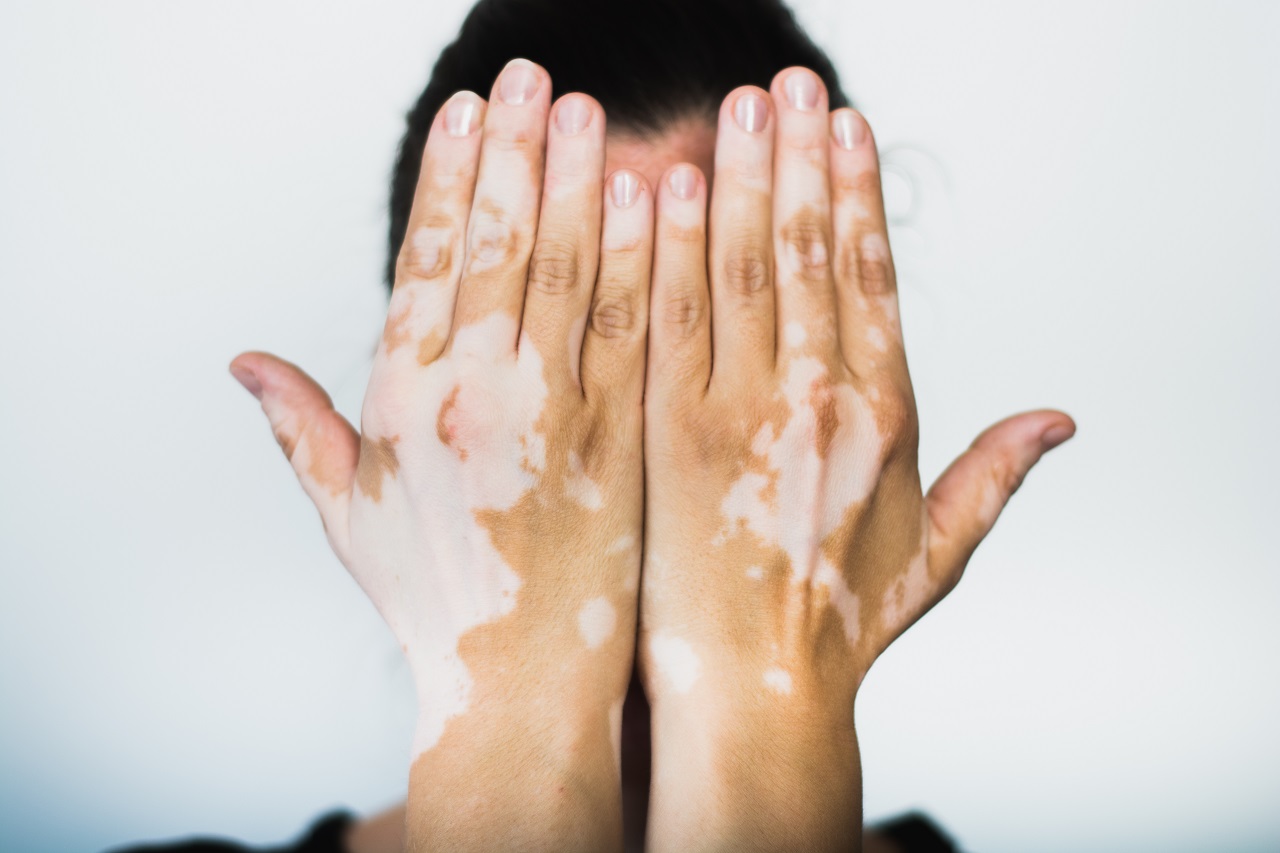
Vitiligo lesions classically present as well defined depigmented macules with variable size and shape which may show depigmented hairs on it called as ‘leukotrichia’. Morphology is striking and is characterized by asymptomatic ivory / chalky white macule(s) that may be frequently surrounded by a prominent pigmented border called the ‘trichrome vitiligo’. The patches are void of any complaints and the texture of the skin remains unaltered i.e. patient presents with discoloured patches over body. Most commonly lesions affect the extremities, though any body site may get involved.
Many a times there are several triggering factors such as emotional stress, drug intake, infections etc. for the development and/or the rapid progression of the lesions. Trauma may also trigger the disease, a phenomenon called as koebner’s phenomenon. A better understanding of these factors may prove to be helpful in the management of vitiligo.
Vitiligo is classified into focal, segmental, generalized and universal types, with vitiligo vulgaris(variant of focal) as the most common variant comprising ~70% of all the cases.
It is a chronic illness and the course of the disease is unpredictable
Although the life expectancy of patients remains unaffected, the patients feel distressed and stigmatized by their condition resulting in low self-esteem, poor body image and difficulties in sexual relationships. Widespread prejudice, ignorance, taboos, lack of scientific appraisal, and confusion of vitiligo with leprosy makes it immense psychological stress.
Diet in vitiligo
Vitiligo has an ancient history and is considered as a social taboo even nowadays. The disease has been associated with widely held false beliefs. There are irrelevant myths in India like the foods that are excessively sour should be avoided by vitiligo patients. These foods include citrus fruits, sour yoghurt, sour pickles etc. Similarly, the simultaneous consumption of milk and fish is falsely believed to result in the progression of disease. Although there are numerous websites that host dietary advice for vitiligo patients, there is no scientific data to support or refute these beliefs.
Vitiligo has a multifactorial, multistep etiology, characterized by an increase of external or internal phenol/catechol concentrations and reactive oxygen species which lead to the destruction of melanocytes. Given the important contribution of reactive oxygen species, estrogen and phenol-containing agents to the pathophysiology of vitiligo, one can draw attention to the potential link between nutrition and vitiligo.
Food contaminants/additives/preservatives and cosmetic products could aggravate vitiligo because they produce oxidative stress in the skin. Increased consumption of omega-6 or a vegetable source of oils and decreased omega-3 intake may increase, in vivo , the production of free radicals and pro-inflammatory cytokines and results in progression of disease.
Mango, cashew, pistaschio, oak, cassava, areca nut, red chillies, cherry, raspberry, cranberry, blackberry and tea contain naturally occurring plant phenol and polyphenolic compounds (tannins), which may aggravate vitiligo
Onion and apple, the richest sources of quercetin, an antioxidant are on the other hand beneficial for vitiligo patient
It has been found, however, that oral supplementation with antioxidants containing alfa-lipoic acid and vitamin B 12 before and during therapy significantly improves the clinical effectiveness.
So keeping in mind the etiology of the disease some modification in diet and life style may act as an adjuvant to actual therapy and thus definitely improves the outcomes.
Treatment
The choice of treatment depends on your age, how much skin is involved and where, how quickly the disease is progressing, and how it’s affecting your life
If the disease is localized topical agents like corticosteroids and calcineurin suffice and the latter can also be combined with phototherapy depending on the patient response.
The widespread disease requires systemic therapy which includes systemic steroids and other immunosuppressive therapy like azathioprine, methotrexate etc
Treatment of any comorbidity should also be addressed appropriately
If the disease is stable and not responding to medical therapy then one can opt for surgical approach which many times has a wonderful outcome.
So the art of treatment of vitiligo is a fine balance between addressing all these issues and achieving the best result out of the available modalities.