
Chat with us on WhatsApp

Botox and skin peel: is it safe?

Botox and Skin Peel Safety Botox and Skin Peel Safety
Book Appointment
in Dermatology & Cosmetology

Apr 19, 2022

A number of skin repair facilities highlight that botox and chemical peeling can assist in skin rejuvenation. In fact, they also highlight that the same procedures can be done on the same day together.  Basically, it can even enhance facial rejuvenation as chemical peels will eliminate muscles that help develop wrinkles after the healing period.
Botox: Skin Care

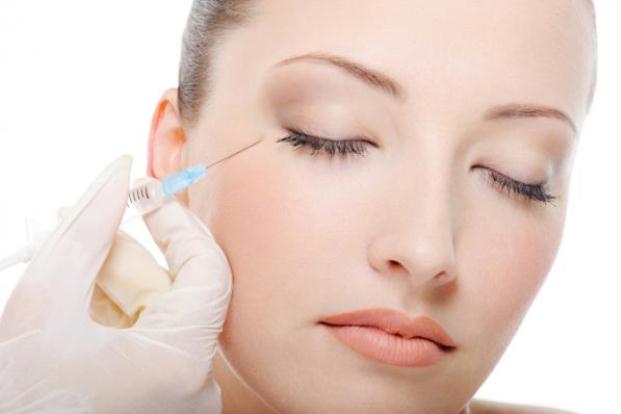
A drug prepared from botulin is used medically to treat certain muscular conditions and cosmetically to remove wrinkles by temporarily paralyzing facial muscles. So even though your brain may fire and signal for your body to move a particular muscle, Botox effectively blocks that firing and keeps the muscle from moving. The injected muscle can no longer contract, which causes the wrinkles to relax and soften, and also helps prevent new ones from forming. A chemical peel is an acid solution applied to the face to remove the outermost layer or layers of skin.  Medium peels use a solution that can soak in deep enough to improve skin in one peel, and mild versions are safe for use on the neck, hands, and other areas.

 Botox has less serious side effects and may rarely include: Bruising, bleeding, pain, redness, or swelling where the injection was given;

Chemical Peels and Skin Care:

Chemical peels can improve the skin’s appearance. In this treatment, a chemical solution is applied to the skin,  which makes and eventually peel off. The new skin is usually smoother, shines and has less wrinkled pigmentation than the old skin.  This is the best way to treat wrinkles caused by sun damage and aging. Yes, chemical peels are safe when they’re used in the right hands. But the process of a chemical peel can be harmful if it’s not done correctly. If someone has a bad experience, it’s usually because their practitioner didn’t do the peel according to the procedure.
Book Appointment

Recent Blogs

When summer hits, skin problems are not far behind. One of the most common issues people experience in hot and humid weather is heat rash, also known as prickly heat or miliaria. If you’ve ever felt small itchy bumps, burning skin, or irritation after sweating a lot, chances are you’ve had a heat rash.
Continue Reading
Ringworm infection is one of the most common fungal infections of the skin, yet it often creates confusion because of its name. Despite being called “ringworm,” it has nothing to do with worms. Instead, it’s caused by a group of fungi that thrive on the skin, scalp, and nails.
Continue Reading
Skin is the biggest organ of our body, acting as a shield against infections, allergens, and environmental irritants. Just like any organ, it can develop health problems ranging from pesky rashes to life-changing chronic diseases.
Continue Reading
When you look in the mirror and see tiny holes or uneven texture on your skin, you’re most likely noticing open pores. While everyone has pores (they allow sweat and oil to reach the skin’s surface), in some people they appear larger and more visible.
Continue Reading
Our skin is the body's largest organ and serves as a crucial barrier against harmful microorganisms. However, despite its protective function, the skin is still susceptible to various infections.
Continue Reading
As the warm summer months approach, it's crucial to adjust your skincare routine to address the unique challenges that come with hot and humid weather.
Continue Reading
As the temperature rises and the sun shines brighter, the summer season brings along not only fun outdoor activities but also some common skin diseases that can dampen our spirits. From sunburns to heat rashes, the hot and humid weather can wreak havoc on our skin if not properly cared for.
Continue Reading
Request A Call Back
Didn't Find What You Were Looking For

Get a call back from our Health Advisor