

How to Check Body Temperature Correctly at Home
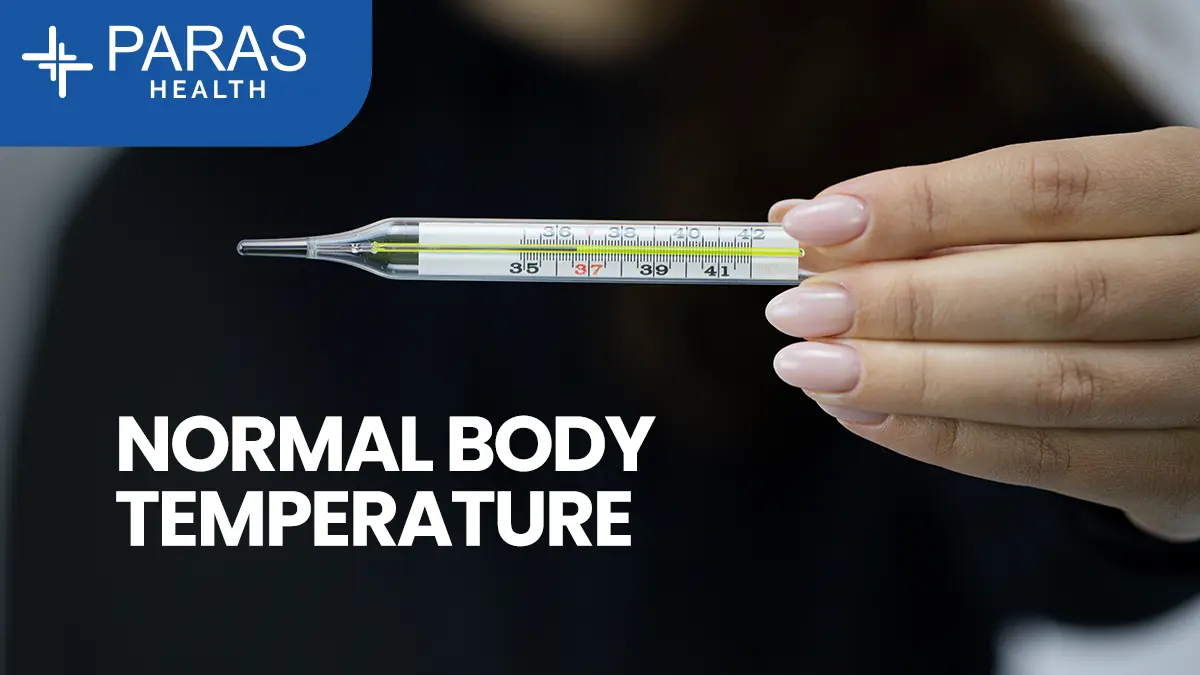
TABLE OF CONTENTS
- What Is Normal Body Temperature?
- Why Accurate Body Temperature Measurement Matters
- Types of Thermometers Used at Home
- Best Ways to Check Body Temperature at Home
- Step-by-Step: How to Check Body Temperature Correctly at Home
- Common Mistakes While Checking Body Temperature
- How to Check Body Temperature in Babies and Children
- Tips to Get the Most Accurate Body Temperature Reading
- Key Facts About Body Temperature
- Conclusion
- FAQs

Checking your body temperature at home may seem like a simple task, but doing it the right way is very important. An incorrect reading can either cause unnecessary worry or delay timely medical care. Whether you are checking for fever, monitoring recovery from an illness, or keeping track of your child’s health, knowing how to check body temperature correctly at home helps you make informed decisions.
This guide explains everything in a simple, patient-friendly, and conversational way—from understanding normal body temperature to using thermometers correctly, avoiding common mistakes, and knowing when to consult a doctor.
What Is Normal Body Temperature?
Before learning how to measure body temperature, it’s important to know what is considered normal.
- Average normal body temperature: 98.6°F (37°C)
- Normal body temperature range: 97°F to 99°F (36.1°C to 37.2°C)
Body temperature is not the same for everyone and can change due to:
- Time of day (lower in the morning, higher in the evening)
- Physical activity
- Age
- Measurement method (mouth, underarm, forehead)
A temperature slightly above or below 98.6°F does not always mean fever.
Why Accurate Body Temperature Measurement Matters
Checking body temperature accurately helps to:
- Detect fever early
- Monitor infections or illness
- Track recovery progress
- Decide whether home care is enough or medical help is needed
Inaccurate temperature readings often happen due to poor technique, wrong thermometer use, or checking temperature at the wrong time.
Types of Thermometers Used at Home
Digital Thermometer
This is the most commonly recommended thermometer for home use.
- Gives quick and accurate readings
- Safe and easy to use
- Can be used orally, under the arm, or rectally
Mercury Thermometer
- Older type of thermometer
- Needs careful handling
- Not recommended anymore due to mercury risk
Infrared / Non-Contact Thermometer
- Measures temperature from the forehead or ear
- Useful for quick checks, especially in children
- Accuracy depends on correct distance and positioning
For most homes, a digital thermometer is the best and safest option.
Best Ways to Check Body Temperature at Home
Oral Temperature Measurement (Mouth)
Best for: Adults and older children
How to measure correctly:
- Place the thermometer under the tongue
- Close the mouth properly
- Wait until the thermometer beeps
Normal oral temperature: Around 98.6°F (37°C)
Axillary Temperature Measurement (Underarm)
Best for: Babies and young children
How to measure correctly:
- Place the thermometer deep in the armpit
- Press the arm firmly against the body
- Wait for the reading
Underarm temperature is usually 0.5–1°F lower than oral temperature.
Forehead Temperature Measurement
Best for: Quick screening
How to measure correctly:
- Ensure the forehead is clean and dry
- Hold the thermometer at the recommended distance
- Avoid sweat, fans, or direct sunlight
Step-by-Step: How to Check Body Temperature Correctly at Home
Follow these simple steps for accurate results:
- Rest for 10–15 minutes before checking
- Avoid eating, drinking hot or cold beverages, or exercising
- Use the correct thermometer and method
- Place the thermometer properly
- Wait for the full reading
- Note the temperature and time
Using the same thermometer and method every time gives more reliable results.
Common Mistakes While Checking Body Temperature
Many incorrect readings happen due to:
- Measuring temperature right after eating or exercise
- Incorrect thermometer placement
- Measuring over clothes
- Not cleaning the thermometer
- Switching between different thermometers
Avoiding these mistakes improves body temperature measurement accuracy.
How to Check Body Temperature in Babies and Children
- Use a digital thermometer under the arm
- Keep the child calm and still
- Do not rely only on touching the forehead
- For infants, consult a doctor if temperature reaches 100.4°F (38°C) or more
How Often Should You Check Body Temperature?
- During fever: 2–3 times a day
- During recovery: Once a day
- Routine monitoring: Only when needed
Checking too often can cause unnecessary anxiety, as small fluctuations are normal.
When Is Body Temperature Considered Fever?
- Mild fever: 99°F – 100.4°F
- Moderate fever: 100.5°F – 102°F
- High fever: Above 102°F
Seek medical help if:
- Fever lasts more than 3 days
- Temperature goes above 103°F
- Fever is accompanied by severe symptoms
Tips to Get the Most Accurate Body Temperature Reading
- Measure temperature at the same time each day
- Use the same thermometer consistently
- Sit calmly before checking
- Follow thermometer instructions carefully
- Clean the thermometer after every use
Cleaning and Storing Your Thermometer
- Clean with alcohol wipes or warm soapy water
- Dry completely before storing
- Keep it in a clean case
- Store safely away from children
Key Facts About Body Temperature
- 98.6°F is an average, not a fixed rule
- Body temperature changes throughout the day
- Underarm readings are usually lower than oral readings
- Fever is a symptom, not a disease
- Correct technique matters more than the thermometer type
Conclusion
Knowing how to check body temperature correctly at home empowers you to manage your health better. With the right thermometer, correct technique, and basic awareness, you can monitor fever accurately and decide when home care is enough—or when to seek medical advice.
FAQs
How do I check my body temperature at home?
Use a digital thermometer orally or under the arm after resting for 10–15 minutes.
Which thermometer is most accurate for home use?
A digital thermometer is the most accurate and safest for home use.
Is 99°F fever or normal?
99°F can be normal for many people, especially in the evening.
How long should I keep the thermometer?
Keep it in place until the thermometer beeps or as per instructions.
Is a forehead thermometer accurate?
Yes, if used correctly on clean, dry skin at the right distance.
Can I check fever without a thermometer?
Touch can give a rough idea, but it is not reliable.
What is the best time to check body temperature?
Morning and evening are best for tracking temperature changes.
How often should I check temperature during fever?
Two to three times a day is sufficient unless advised otherwise.
What body temperature is dangerous?
A temperature above 103°F or persistent fever needs medical attention.
Does body temperature change daily?
Yes, normal body temperature fluctuates due to activity, hormones, and time of day.